
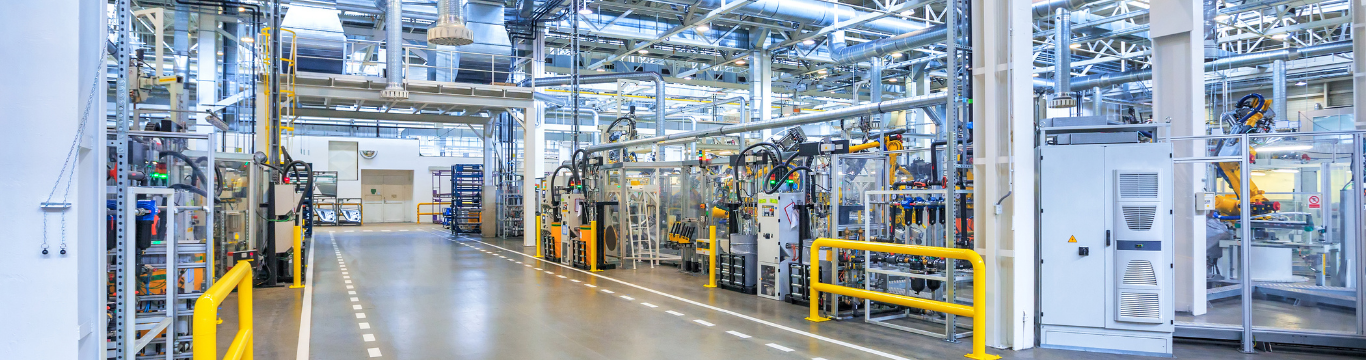
Why Start-Up, Alignment & Equipment Commissioning Matter After Installation

Choosing the right industrial equipment is a major investment, but installation is only one part of the process. Proper equipment commissioning helps confirm that new or upgraded systems are ready to operate safely, efficiently, and reliably before they become part of daily production. For facilities that depend on pumps, valves, finishing systems, spray gear, lubrication gear, and other industrial components, it can help prevent early issues, reduce downtime, and protect the value.
At BF Sales, this concept is part of a broader process that includes equipment start-up, precision alignment, testing, troubleshooting, onsite support, and ongoing maintenance. This gives industrial teams a stronger path from installation to operation with fewer unknowns and more confidence in the equipment being put into service.
What Is It?
Equipment commissioning is the process of verifying that equipment has been installed, configured, tested, and adjusted correctly before regular use. It is more than turning the system on and checking that it runs. It looks at whether the full system is performing correctly for the application.
During equipment commissioning, technicians may review settings, test controls, check performance, identify concerns, and confirm that components are operating according to specifications. The goal is to make sure the gear is ready for real operating conditions, not just basic start-up.
A strong commissioning process may include:
- Reviewing installation and configuration
- Testing performance and controls
- Checking alignment and system operation
- Identifying issues before production begins
- Verifying the equipment meets required specifications
For industrial facilities, this step matters because small setup problems can create larger maintenance or production issues later. Misalignment, incorrect settings, poor communication between components, or untested performance can all lead to wear, waste, inefficiency, or unexpected shutdowns.
Why Start-Up and Alignment Matter
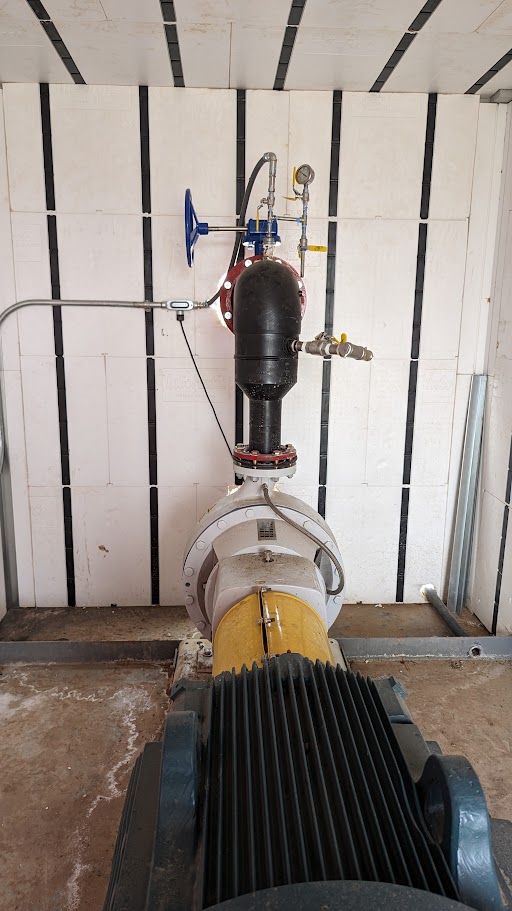
Start-up usually comes before equipment commissioning and includes installation review, configuration, and initial testing. This helps confirm that the equipment is ready to be evaluated under operating expectations. If problems appear during start-up, they can be addressed before it is relied on for production.
Alignment is another important part of the process. Even small alignment issues can increase vibration, energy use, wear, and maintenance costs. At BF Sales, we use advanced laser tools for precise alignments, helping equipment run smoothly and lowering the risk of avoidable breakdowns.
When these three concepts are handled together, facilities get a clearer picture of equipment readiness. Instead of assuming that it is ready because installation is complete, the system is checked, adjusted, and verified.
Problems Equipment Commissioning Can Catch Early
One of the biggest benefits is early problem detection. Many issues are easier and less expensive to correct before a system is under full production pressure.
Common issues it may uncover include:
- Incorrect settings or configuration errors
- Pressure, flow, vibration, or alignment problems
- Leaks, connection issues, or system communication concerns
This proactive approach can help reduce downtime and support long-term reliability. It also gives in-house teams a better understanding of how the system should operate, what normal performance looks like, and which warning signs to watch for once daily use begins. By addressing small issues early, facilities can reduce the risk of avoidable interruptions, premature wear, and costly service calls later on.
Building a More Reliable Start
Equipment commissioning is not only about the first day of operation. It supports better performance over time by helping equipment start from a properly tested and verified baseline. For industrial facilities, that can mean fewer surprises, smoother operation, and better protection for critical systems.
At BF Sales, we provide equipment start-up, alignment, troubleshooting, onsite support, maintenance, and equipment commissioning services designed to help customers get more from their industrial gear. Need help getting new or upgraded systems ready for operation? Contact us to learn more about equipment commissioning support.