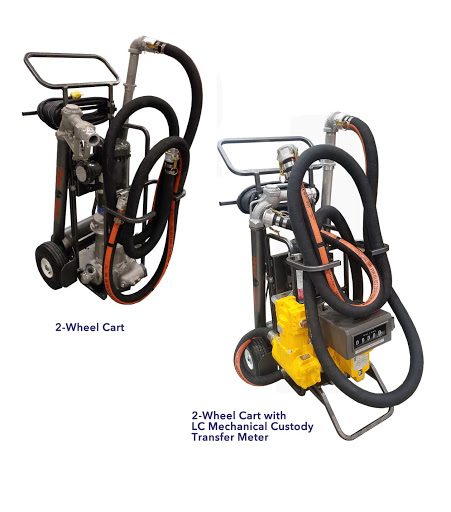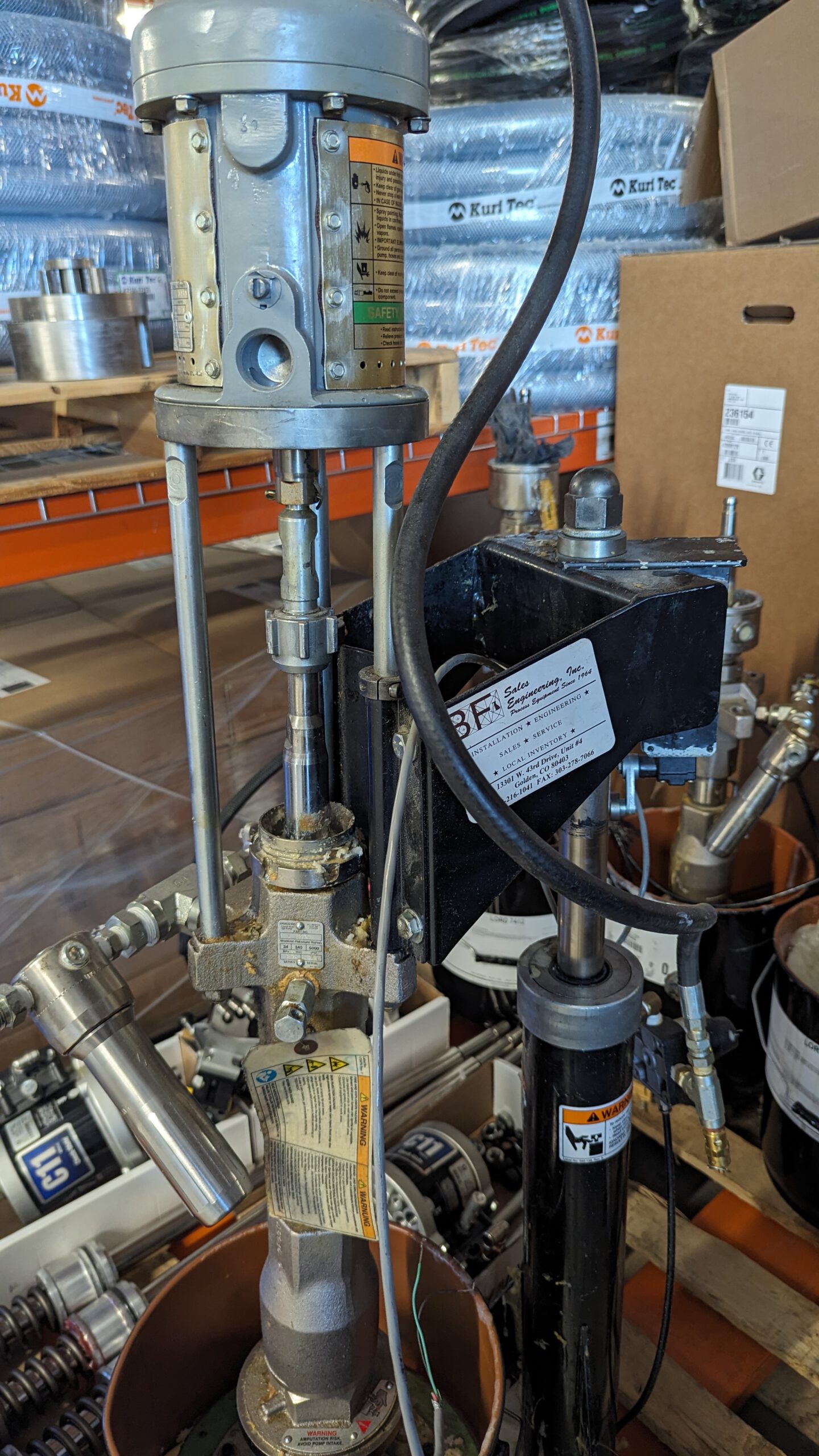
Why Industrial Parts and Equipment Matter When Choosing the Right Supplier

In any industrial setting, having access to reliable industrial parts and equipment is essential for maintaining productivity, safety, and efficiency. From pumps and valves to hoses, spray systems, and fluid-handling components, the right equipment supports daily operations and long-term performance. Choosing a supplier that understands how these components fit into your workflow can make a significant difference in how smoothly your operation runs.

Understanding what to look for when sourcing helps businesses reduce downtime, improve performance, and build more dependable systems.

The Role of Industrial Parts and Equipment in Daily Operations

Industrial systems rely on a wide range of components working together to keep production moving. These systems are not just made up of standalone items. They function as part of a larger process that must operate efficiently and consistently. When even a single component fails, it can disrupt an entire operation.

Suppliers play a critical role by providing both the necessary supplies and the expertise needed to ensure proper selection and use. In many industries, these suppliers act as partners that help maintain productivity and efficiency across operations.

Why Supplier Expertise Matters

Not all suppliers offer the same level of support. A knowledgeable partner goes beyond simply providing products. They help identify the right components, ensure compatibility, and offer guidance on installation and performance.

Industry guidance often highlights that the best suppliers provide both equipment and ongoing support, including maintenance and troubleshooting assistance. This is especially important when working with specialized industrial parts and equipment that require precise application.

BF Sales reflects this approach by combining product availability with technical expertise. Their team works with customers to understand application needs and recommend solutions that support long-term performance.

The Importance of Local Inventory and Availability

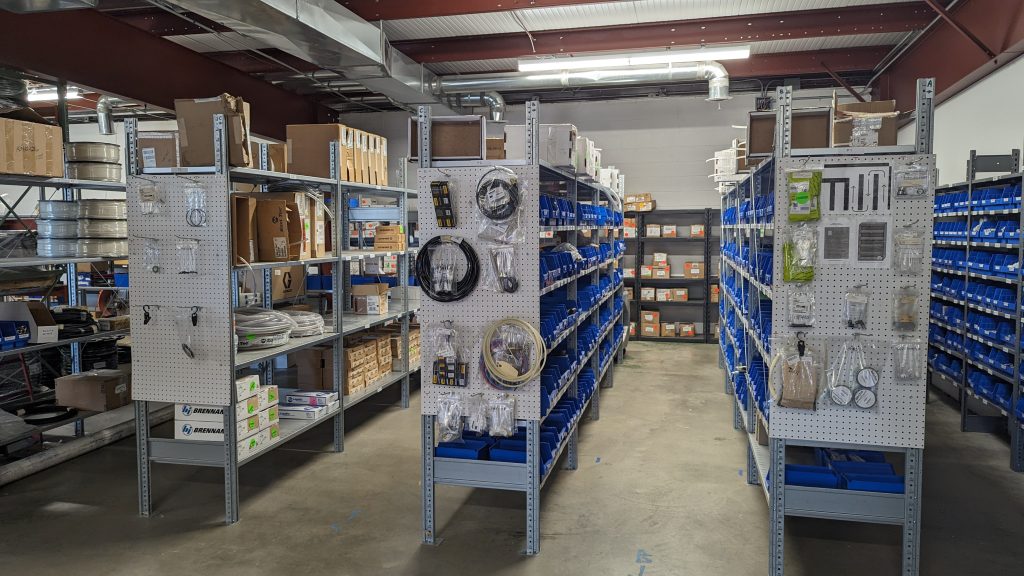
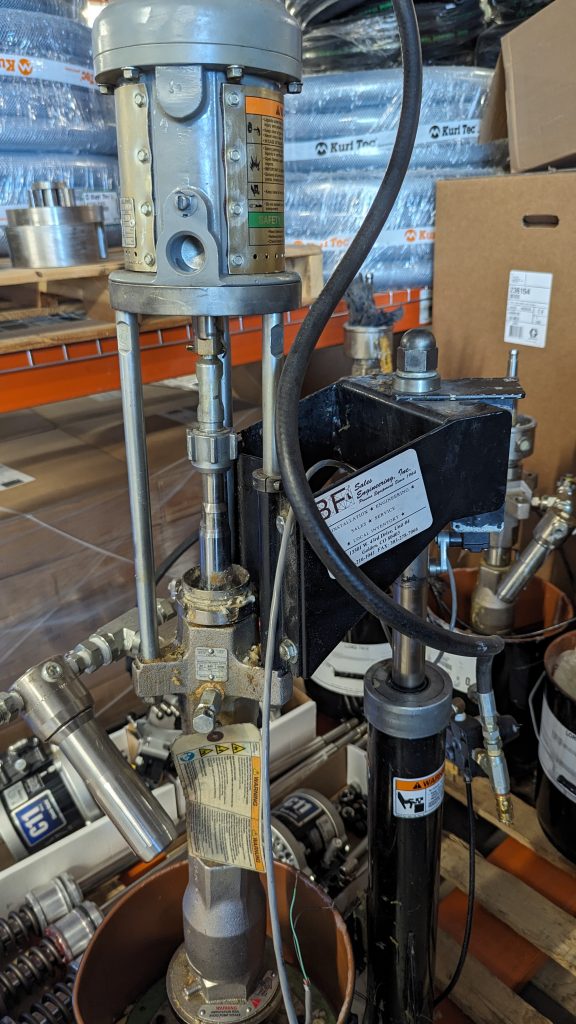
Fittings and parts stored onsite at BF in Denver for urgent shipment or for managing our customers inventory levels (VMI)- industrial parts and equipment

One of the most practical factors when sourcing industrial parts and equipment is availability. Delays in receiving parts can lead to extended downtime and lost productivity. Working with a supplier that maintains local inventory helps ensure faster turnaround times and quicker access to critical components.

A reliable supplier with a broad inventory can streamline procurement and reduce the time spent sourcing from multiple vendors. This becomes especially valuable when operations depend on consistent access to essential components for maintenance or repairs.

BF Sales emphasizes local inventory and fast response, helping customers get what they need without unnecessary delays.

Support Beyond the Initial Purchase

Another key consideration when choosing a supplier is the level of support provided after the sale. Industrial parts and equipment require ongoing maintenance, repair, and occasional replacement to keep systems running efficiently.

Strong suppliers often offer services such as:

  • Equipment repair and troubleshooting
  • Technical support and application guidance
  • Assistance with installation and system setup
  • Recommendations for improving performance

These services help extend the life of equipment and reduce the likelihood of unexpected failures.

BF Sales provides repair services and technical support alongside their product offerings, ensuring customers receive continued value beyond the initial purchase.

Building Long-Term Reliability With the Right Partner

Selecting the right supplier for industrial parts and equipment is about more than price or product availability. It is about finding a partner that understands your operation and can support your long-term goals. The right supplier helps improve efficiency, reduce downtime, and ensure systems perform as expected.

Suppliers play a key role in keeping operations running smoothly by providing both the tools and the support needed for success. This reinforces the importance of working with a trusted provider that understands your needs.

BF Sales brings decades of experience, local service, and technical knowledge to help customers find the right solutions for their operations.

Supporting Smarter Equipment Decisions

Choosing the right industrial parts and equipment starts with understanding how those components impact your overall system. With the right supplier, businesses can make more informed decisions, improve performance, and maintain consistent production.

By focusing on expertise, availability, and long-term support, companies can ensure their equipment continues to deliver value well beyond the initial purchase.

Signs It’s Time for a Spray Gun or Airless Sprayer Repair

Spray equipment plays a critical role in achieving consistent finishes and maintaining production efficiency. When performance starts to slip, many operators assume it is time for replacement. In many cases, however, airless sprayer repair is the more practical and cost-effective solution. Recognizing early warning signs can help you address issues before they lead to downtime or compromised results.

Understanding when to pursue this service allows facilities to maintain quality while avoiding unnecessary equipment costs.

Why Performance Issues Shouldn’t Be Ignored

Spray guns and airless sprayers are designed to deliver precise pressure, flow, and atomization. When any of these factors begin to change, it often indicates internal wear or component failure. Addressing these issues early through airless sprayer repair can prevent more serious problems and help restore consistent operation.

BF Sales provides repair services for airless sprayers, paint spray guns, spray tips, and airspray or tank systems. Their approach focuses on identifying the root cause of performance issues and restoring equipment to reliable working condition.

1. Inconsistent or Uneven Spray Patterns

One of the most noticeable signs that repair may be needed is an inconsistent spray pattern. If the fan shape appears uneven, streaked, or distorted, it often indicates worn spray tips, pressure inconsistencies, or internal component wear.

While minor issues can sometimes be resolved with cleaning or tip replacement, persistent pattern problems typically require airless sprayer repair to restore proper atomization and performance.

2. Loss of Pressure or Reduced Flow

A drop in pressure or inconsistent flow can significantly impact coating quality and efficiency. When an airless sprayer cannot maintain steady pressure, coverage becomes uneven and production slows down.

This type of issue often points to internal wear, clogged components, or system inefficiencies. Addressing it early through airless sprayer repair helps restore consistent output and prevents further strain on the system.

3. Frequent Clogging or Material Buildup

Frequent clogging is another common indicator that airless sprayer repair may be necessary. While occasional blockages can occur, repeated clogs suggest deeper issues such as worn components, contamination, or improper filtration.

Ignoring this problem can lead to increased downtime and inconsistent finishes. A thorough inspection and fix can identify the root cause and restore smooth operation.

4. Leaks Around Seals, Hoses, or Fittings

Leaks are a clear sign that something within the system is no longer functioning properly. Whether it is material leaking from seals or pressure escaping from fittings, these issues should not be ignored.

In many cases, leaks are caused by worn seals or damaged components that require airless sprayer repair. Addressing leaks promptly helps maintain pressure integrity, improve safety, and prevent material waste.

5. Declining Finish Quality and Efficiency

When finish quality begins to suffer, it is often one of the final indicators that repair is needed. Issues such as uneven coverage, excessive overspray, or inconsistent coating thickness can all point to underlying equipment problems.

Additionally, if operators find themselves making frequent adjustments or experiencing slowdowns, it may be time for airless sprayer repair to restore efficiency and consistency.

The Value of Repair Over Replacement

When equipment shows signs of wear, replacement is not always the most efficient option. In many situations, performance can be restored at a lower cost and with less disruption to operations.

airless sprayer repair- Graco airless sprayer BF Sales

Repairing existing equipment allows facilities to:

  • Maintain familiar systems and configurations
  • Avoid long lead times for new equipment
  • Reduce capital expenses
  • Extend the usable life of spray equipment

BF Sales supports this approach by offering fast turnaround times, experienced technicians, and access to quality replacement components. Their repair services are designed to get equipment back in service quickly and reliably.

What to Expect From a Professional Repair Process

A proper repair process begins with a detailed inspection to identify worn or damaged components. From there, airless sprayer repair includes disassembly, part replacement, and reassembly based on manufacturer specifications.

BF Sales performs repairs using proven methods and quality parts, ensuring that spray equipment performs as expected once returned to service. Testing and verification are key parts of the process, helping confirm that pressure, flow, and spray patterns are restored so operators can move forward with greater confidence in day-to-day performance.

Why Consider an Industrial Pump and Valve Repair Through BF Sales?

When pumps or valves begin to lose efficiency, leak, or behave inconsistently, many facilities assume replacement is the only option. In reality, industrial pump and valve repair is often the more practical first step. When performed correctly, this type of repair restores performance, extends equipment life, and minimizes downtime without the cost or disruption of installing new equipment.

For manufacturers and industrial facilities, understanding the value of a repair can lead to better maintenance decisions and more predictable operations.

What This Repair Really Involves

Quality repair work goes beyond replacing worn seals or tightening fittings. A proper process starts with inspection and diagnosis to identify internal wear, material degradation, or performance loss. From there, industrial pump and valve repair includes controlled disassembly, replacement of critical components, and reassembly to original operating specifications.

At BF Sales, repairs are performed by experienced technicians who understand how pumps and valves perform under real production conditions. This ensures the work addresses underlying issues, not just visible symptoms.

Situations Where Industrial Pump and Valve Repair Makes Sense

There are many cases where repair is the smarter option compared to replacement. Facilities often turn to this when the equipment body remains structurally sound or when replacement lead times threaten production schedules.

Common scenarios where repair is worth considering include:

industrial pump and valve repair- bf sales
  1. Performance decline without catastrophic failure, such as pressure loss or inconsistent flow
  2. Excessive lead times for new pumps or valves
  3. Integration with existing systems where replacement would require redesign
  4. Cost constraints that make replacement difficult to justify
  5. Specialty or legacy equipment that is difficult to source new

In these situations, industrial pump and valve repair helps maintain continuity while avoiding unnecessary system changes.

Cost Control 

One of the strongest advantages of repair is cost control. In many cases, repair costs significantly less than full replacement, especially for larger or specialized units. More importantly, it helps facilities avoid indirect expenses such as emergency labor, expedited shipping, or prolonged downtime.

By planning it proactively, maintenance teams gain better control over budgets and reduce the likelihood of disruptive failures.

Performance and Reliability Benefits

A properly executed repair restores efficiency, pressure stability, and consistent operation. Over time, internal wear inside pumps and valves can reduce output long before total failure occurs. Industrial pump and valve repair corrects these issues and helps equipment return to intended performance levels.

BF Sales incorporates inspection and verification into its repair process to ensure equipment performs reliably before returning to service.

Extending Equipment Life With Industrial Pump and Valve Repair

Replacing equipment prematurely often limits the long-term value of industrial assets. Repair allows facilities to maximize the usable life of their equipment while maintaining safety and reliability.

Key long-term benefits of consistent repair work include:

  • Reduced capital replacement cycles
  • Improved maintenance planning
  • More predictable system performance
  • Lower risk of sudden equipment failure

Regular inspections play a key role in extending equipment lifespan by identifying issues before they affect reliability. Over time, this reduces unexpected failures and supports more predictable maintenance planning.

Why BF Sales Is a Trusted Partner

Not all repair services deliver the same results. Experience, component quality, and system knowledge all play a role in long-term success. BF Sales approaches industrial pump and valve repair with a focus on reliability, performance, and real-world application.

By aligning technical expertise with practical operational insight, BF Sales ensures repairs support uptime, efficiency, and long-term system health.

Supporting Long-Term System Reliability

Choosing industrial pump and valve repair is about maintaining operational stability, not just fixing isolated issues. With the right repair approach and an experienced partner, it becomes a strategic tool for extending equipment life, managing costs, and keeping production moving forward with confidence.

How Cold Weather Impacts Industrial Fluid Systems—and What You Can Do About It

When temperatures drop, industrial fluid systems face a unique set of challenges that can impact everything from performance to safety. Whether you’re managing pumps, hoses, or hydraulic components, winter conditions introduce variables that demand careful consideration. Cold weather affects viscosity, seal performance, system pressure, and flow efficiency—making proactive planning essential for uptime and longevity.

At BF Sales, we understand the nuances of how temperature extremes interact with critical fluid systems. Whether you’re running processing lines, chemical delivery systems, or hydraulic applications, preparing your infrastructure for the cold can save you time, money, and headaches throughout the season.

The Science Behind Temperature and Viscosity

One of the most immediate effects of cold weather on industrial fluid systems is a change in viscosity. As temperatures drop, fluids become thicker, which increases resistance within pumps, hoses, and valves. This can strain motors, slow down operations, and even lead to cavitation if flow rates drop below spec.

For hydraulic systems in particular, low temperatures can delay startup or cause sluggish responses in actuators and cylinders. Selecting fluids with appropriate cold-temperature performance—such as low-viscosity or winter-grade hydraulic oils—is critical. Don’t wait until you’re troubleshooting a lagging system in subzero temperatures to make the switch.

Cold Weather and Sealing Materials

Elastomeric seals, gaskets, and O-rings used in industrial fluid systems can become brittle in cold environments, especially if they are not rated for low-temperature use. Over time, repeated exposure to freeze-thaw cycles can degrade materials and lead to leaks, cracks, or full seal failure.

To avoid these issues, BF Sales recommends selecting seals and hose materials with appropriate temperature ratings for your region. In especially harsh climates, switching to fluoroelastomer or PTFE-based sealing materials may help ensure system integrity during cold snaps.

Practical Steps for Cold Weather System Readiness

A few simple adjustments can go a long way in preparing your industrial fluid systems for winter. Here’s where to start:

  • Insulate exposed components: Use heat tape or insulation blankets on valves, hoses, and pumps to minimize heat loss.
  • Store hoses properly: Flexible hoses should be drained and stored off the ground when not in use to prevent cracking and internal freezing.
  • Monitor pressure regularly: Cold fluid thickens, which can spike pressure in closed-loop systems. Installing pressure relief valves or monitoring devices can prevent ruptures.
  • Choose the right lubricants: Look for ISO or NLGI-rated lubricants specifically designed for low temperatures.

Preventative maintenance doesn’t have to be complicated—but it does need to be consistent. BF Sales supports industrial customers with the products and expertise to weather seasonal extremes with confidence.

System Startups: A Vulnerable Moment

Cold starts are one of the most stressful moments for industrial fluid systems. If fluid has thickened or components have contracted, pressure surges can lead to system damage, especially in pump-driven or metering setups. That’s why startup procedures matter.

Allow systems time to warm up gradually if possible, and ensure all sensors, gauges, and controllers are functioning before putting the system under full load. At BF Sales, our team offers guidance on best practices for winter startups and preventative maintenance.

Long-Term Planning for Harsh Environments

If your facility routinely operates in low temperatures, consider a broader system evaluation. This could include:

industrial fluid systems- bf sales
  • Upgrading hose materials for cold flexibility
  • Incorporating heated enclosures for sensitive components
  • Designing fluid pathways with freeze prevention in mind
  • Selecting cold-rated filters and strainers

BF Sales can assist with product selection and layout planning to optimize flow and protect your assets year-round. From material handling to chemical delivery, we provide industrial fluid systems that are built to perform—even in the toughest winter environments.

Winter Doesn’t Wait—And Neither Should You

The impact of winter weather on industrial fluid systems can be subtle at first but lead to significant downtime and damage if left unaddressed. By understanding how cold affects fluid dynamics, seals, and startup routines—and by preparing accordingly—you protect both your people and your processes.Need help evaluating your system for the cold? BF Sales is here to help. Contact our team to learn more about winter maintenance, fluid selection, and cold-weather system design.

What to Look for When Evaluating Powder Coat Equipment

Choosing the right powder coat equipment is one of the most important decisions a manufacturer or finishing shop can make. Whether you’re setting up a new finishing line or upgrading an existing system, understanding how various components affect quality, efficiency, and long‑term performance will help you make informed decisions. In this article, we’ll explore key factors to consider when evaluating powder coating equipment so you can achieve consistent, durable finishes with minimal frustration.

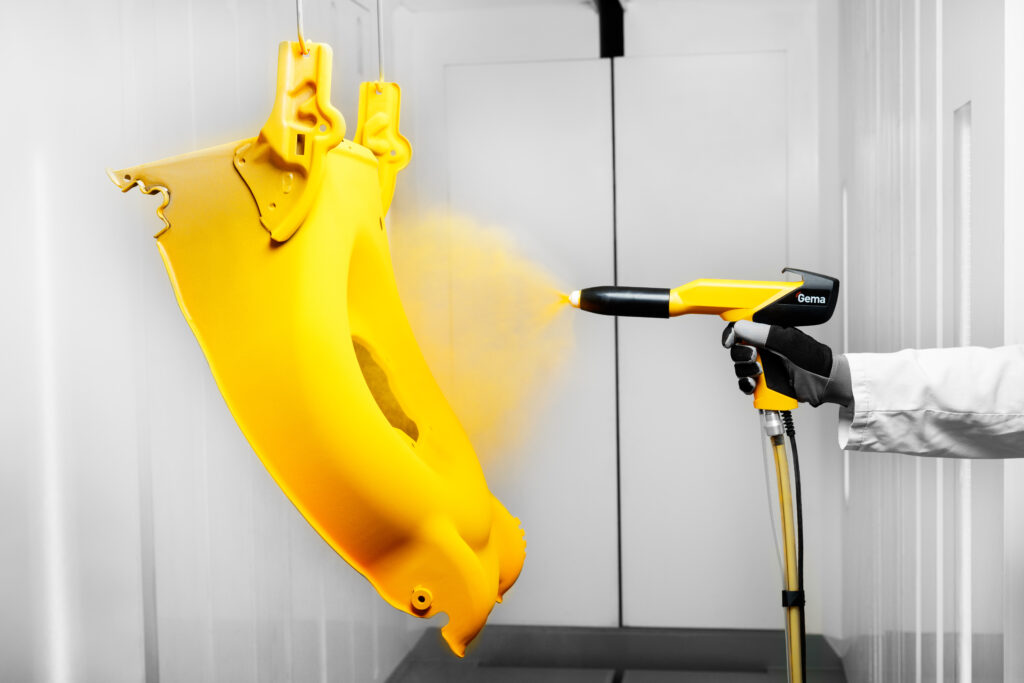
This is a dry finishing process that involves applying an electrostatically charged powder to a substrate and then curing it with heat to form a solid layer. Its popularity has grown because it produces finishes that are highly durable, aesthetically pleasing, and resistant to wear, corrosion, and weathering—outperforming many traditional liquid paints in industrial applications.

Understand the Core Components of a Powder Coat System

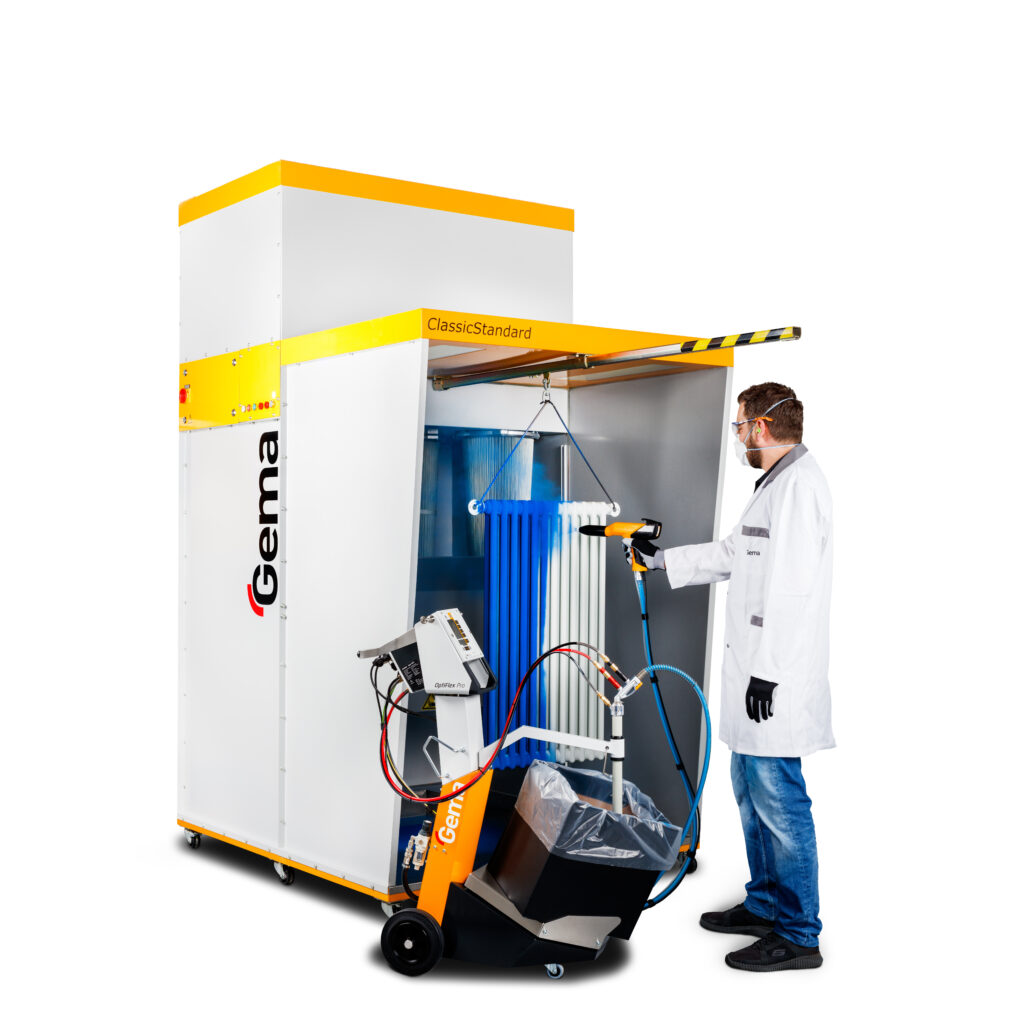
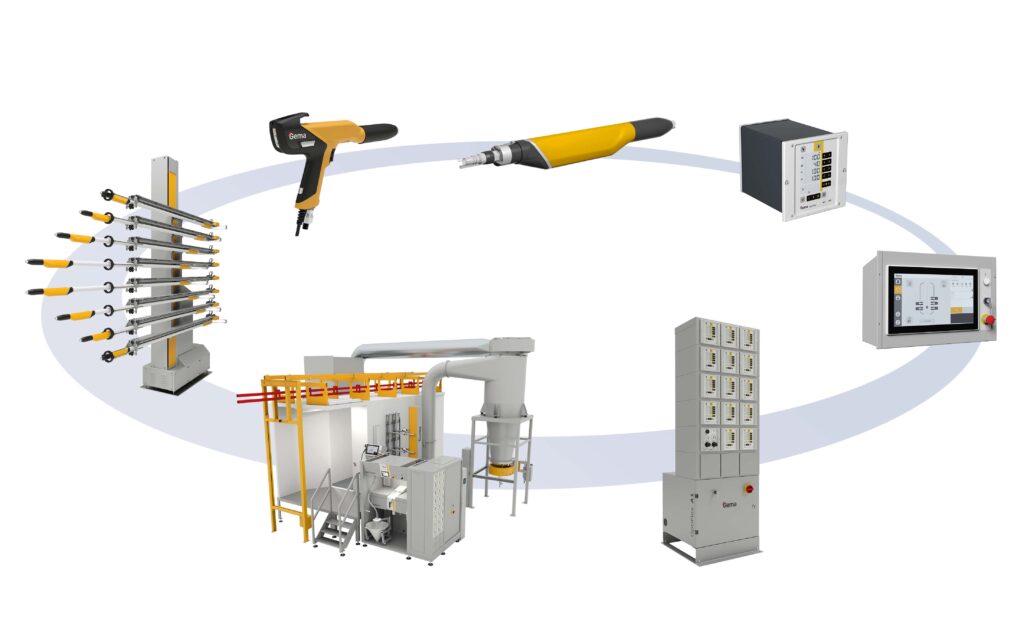
Effective coat equipment relies on a few essential components that directly impact coating quality and system efficiency:

  • Spray System: Includes the gun and feed system that apply powder to the surface. The right equipment ensures even coverage and reliable adhesion—even on complex shapes.
  • Powder Delivery: Systems like vibratory or pump feeds maintain consistent flow, reduce clogs, and keep operations running smoothly.
  • Curing Oven: This is where powder transforms into a durable finish. Precise heat control ensures proper fusion and finish integrity.
  • Controls & Interfaces: Regulate key parameters like voltage, airflow, and temperature. Easy-to-use controls improve repeatability and operator performance.

Each of these subsystems works together to determine the overall effectiveness of your powder coat equipment and the final quality of your finishes.

Match Equipment to Your Production Needs

When evaluating setups, one of the first questions to answer is: What volume and type of production will this system support?

For lower‑volume or specialty jobs, smaller booths with manual or semi‑automatic powder guns may be sufficient. For high‑volume operations with large parts or continuous runs, automated systems with conveyors and advanced control are often more efficient and consistent.

Other factors to consider include:

  • Part Size & Geometry: Larger or more complex parts might require larger booths, specialized gun configurations, or multi‑angle deposition systems.
  • Throughput and Cycle Time: Match your oven capacity and conveyor speed to your planned production rate. Undersized ovens can bottleneck finishing lines even if other components are capable.
  • Factory Layout & Ventilation: Proper space planning ensures your booths, ovens, and material handling solutions integrate with your workflow, reducing downtime and improving safety.

Your specific production profile should guide your equipment selection more than generic features or price alone.

Environmental, Safety & Compliance Considerations

Modern powder coating systems offer both performance and environmental advantages over traditional liquid coatings, largely because they don’t rely on solvent carriers and release fewer volatile organic compounds (VOCs).

When evaluating powder coat equipment, consider:

  • Booth Ventilation and Filtration: Good ventilation minimizes airborne powder, reduces contamination, and enhances worker safety.
  • Overspray Management & Recovery: Systems that collect and reclaim overspray can cut material costs and reduce waste.
  • Operator Safety Gear: Ensure your plans include appropriate respiratory protection, grounding to prevent static risks, and fire suppression measures where necessary.

A safe and compliant facility not only protects workers but also improves efficiency and reduces regulatory burden.

Trusted Brands and Long-Term Reliability

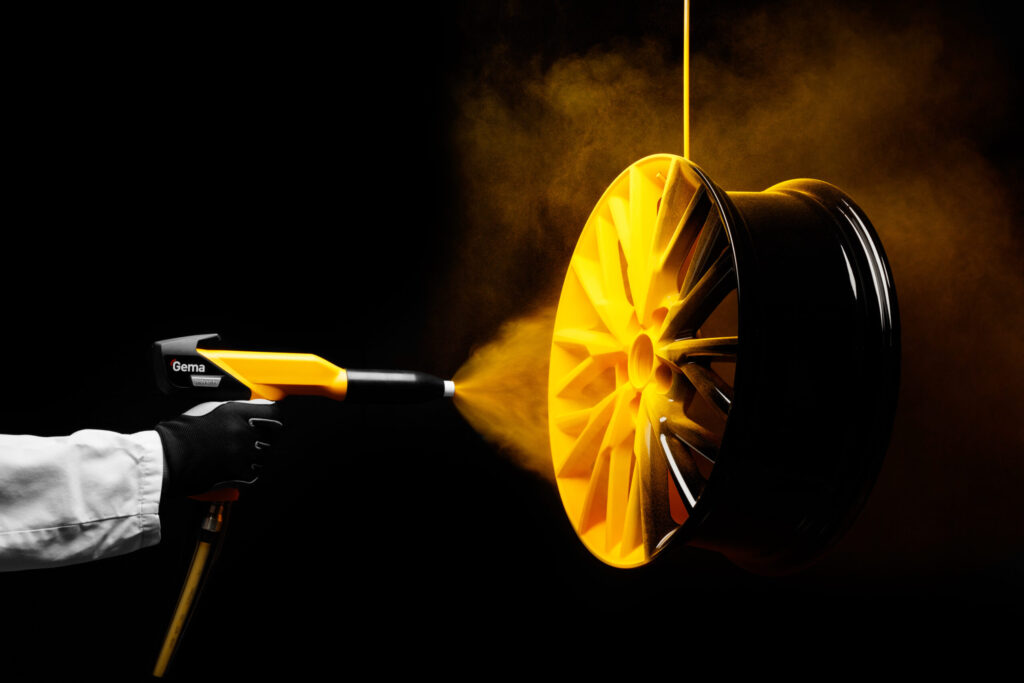
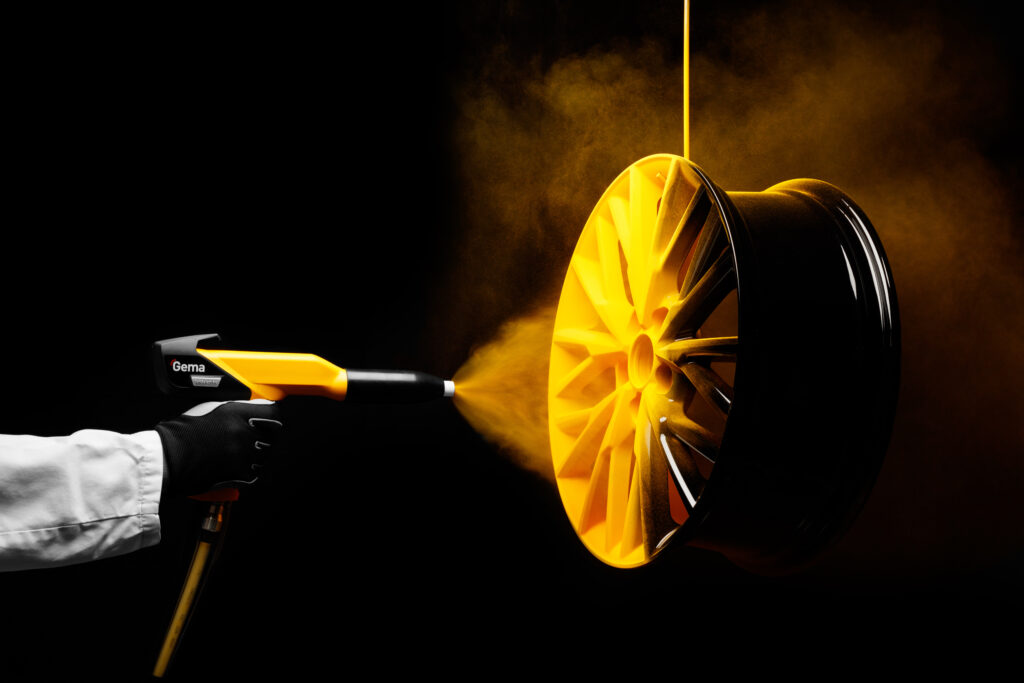
powder coat equipment gema bf sales

Choosing powder coat equipment isn’t just about the technical specs—it’s also about the manufacturers behind them and the reputation they’ve earned. At BF Sales, we partner with trusted brands like Gema, a global leader in electrostatic powder coating systems. Gema’s equipment is known for its precision, durability, and adaptability, offering solutions for everything from manual spray units to fully automated booths. Their systems are widely used in automotive, manufacturing, and metal fabrication industries where consistent performance is essential.

But equipment performance doesn’t stop with installation. Long-term reliability depends on quality assurance practices like monitoring cure temperatures, checking film thickness, and verifying adhesion strength—especially when following ASTM or industry standards. It also means choosing vendors who offer robust training, responsive support, and easy serviceability.

Choosing the Best Powder Coat Equipment for Your Operation

Selecting the right powder coat equipment isn’t a one‑size‑fits‑all proposition. It involves balancing your production needs, floor space, budget, and quality expectations. By understanding how each component fits into the bigger picture and prioritizing systems that fit your workflow, you’ll be better positioned to achieve consistent, high‑quality results.For specific product options when they become available, you can explore the full range of powder coating equipment at BF Sales — allowing you to match the right tools to your process.

Why Project Management Matters in Turnkey Installations for Industrial Facilities

When industrial facilities take on large equipment upgrades or system integrations, turnkey installations offer a streamlined path from planning to full operation. But the real success of these projects doesn’t come from equipment alone—it depends on strong project management. At BF Sales, project leaders coordinate every phase of the installation process to ensure work stays aligned, safe, and completed on schedule.

Turnkey installations involve many moving parts, and without consistent oversight, even high-quality equipment can be delayed, misconfigured, or installed out of sequence. BF Sales brings structure, communication, and accountability to every step so your system is ready to perform from day one.

Planning for Success: Building the Right Foundation

Before any installation begins, BF Sales focuses on detailed planning. This early stage is where risks are identified, timelines are aligned, and the framework for the entire turnkey installation is built. Clear plans give contractors, vendors, and your internal teams a shared understanding of expectations and prevent costly surprises later.

During the planning phase, our project managers help determine equipment requirements, map out workflows, and coordinate lead times with suppliers. Because turnkey installations often involve custom-built components, specialized supports, or new process integrations, careful planning ensures everything arrives when needed—and that your facility remains operational throughout.

On-Site Execution: Managing the Complexity

Once installation work begins, BF Sales brings all teams and tasks together in real time. On industrial job sites, everything from rigging and mechanical assembly to electrical integration and safety compliance must move in the right sequence. This is where project management becomes essential.

To keep the installation efficient and organized, our project managers coordinate:

  • Contractor schedules and daily work plans
  • Delivery and staging of equipment and materials
  • Installation sequencing to prevent workflow conflicts

This structured oversight keeps the project moving smoothly while minimizing downtime for your facility.

Commissioning and Testing: Making Sure It All Works

turnkey installations testing- bf sales

A turnkey installation isn’t complete until every component is verified, tested, and documented. BF Sales conducts full commissioning to ensure the system operates exactly as designed. This involves checking system alignment, evaluating control responses, testing flow rates, verifying pressures, and confirming safety interlocks.

Commissioning also brings together the mechanical, electrical, and control elements of your system—ensuring everything speaks the same language. Whether your turnkey installations involve pumps, piping systems, platforms, controls, or specialty finishing equipment, our team ensures performance issues are addressed before your system enters production.

Safety and Compliance: A Built-In Priority

Industrial environments have strict regulatory obligations, and turnkey installations must be built around them—not adjusted after the fact. BF Sales integrates safety considerations throughout planning and installation to ensure your facility meets regulatory expectations. That includes coordinating inspections, managing site-specific safety plans, and documenting compliance steps that support future audits.

After installation, your team receives the documentation needed for safe, informed operation, including drawings, testing results, and system handoff materials.

Why Strong Project Management Makes the Difference

Without structured project management, turnkey installations can quickly become disorganized, exceed budgets, or cause preventable downtime. BF Sales helps facilities avoid these issues by delivering reliable coordination, dependable communication, and clear oversight.

Clients consistently experience:

  • More predictable schedules
  • Fewer installation conflicts or delays
  • Better cost control and reduced rework

This makes project management not just an add‑on service, but a core driver of installation success.

Built to Perform from Day One

Every industrial facility relies on equipment that must work correctly and consistently. With BF Sales managing your turnkey installations, you gain a partner who understands your operational priorities and who brings structure to complex environments. From early planning to commissioning, every step is handled with accuracy and care.

If you’d like help preparing for an upcoming installation or planning a new system, our team is ready to support you.

How Equipment Calibration & Start‑Up Shapes Long‑Term Performance

If you want to set your operation up for long-term success, don’t overlook what happens at the very beginning. Equipment calibration isn’t just a technical checkbox—it’s the foundation for everything that follows. When combined with a strategic start-up, alignment, and commissioning process, it ensures that your industrial systems perform exactly as intended from day one.

At BF Sales, we approach equipment calibration as part of a broader service offering under our industrial services division. Our goal? Help you minimize start-up risks, avoid costly inefficiencies, and build the confidence that your equipment is operating to spec—not just today, but for the long haul.

Why Calibration Matters More Than You Think

When new equipment arrives, there’s a natural urgency to get it up and running. But skipping or rushing the calibration process can lead to:

  • Inaccurate sensor readings
  • Incorrect flow rates
  • Inefficient process control
  • System instability over time

Proper equipment calibration is what ensures that instrumentation and control systems—like pressure sensors, temperature probes, and flow meters—are functioning within their expected tolerances. This verification process is especially critical for regulated industries or those relying on closed-loop controls and PID tuning to maintain consistency.

BF Sales technicians use NIST-traceable calibration equipment and follow industry best practices to verify that every component performs as specified. It’s a detailed, documented process—and one that pays dividends in long-term performance and compliance.

Start-Up and Commissioning: Where It All Begins

But calibration doesn’t happen in a vacuum. It’s just one part of a bigger picture.

Our start-up and commissioning services are designed to take your system from installation to optimal operation—safely and efficiently. This process includes:

  • System verification and leak checks
  • Electrical and control wiring validation
  • Mechanical alignment for pumps, mixers, and rotating equipment
  • Loop tuning and feedback verification
  • Safety interlock testing

Instead of treating start-up as a one-time event, we see it as a critical phase that sets the tone for your equipment’s entire lifecycle. A properly commissioned system is less prone to surprises, easier to maintain, and far more likely to hit your performance targets.

Alignment and Tuning: More Than Just Bolt Tightening

equipment calibration, industrial services bf sales

Precision alignment is especially important for rotating machinery. Improper alignment can lead to premature wear, vibration issues, and even catastrophic failure. Our field teams use laser alignment tools to ensure that shafts, couplings, and bases are aligned to manufacturer specs—down to the thousandth of an inch.

In automated systems, PID tuning is another key aspect. We help dial in your control loops so that pumps, heaters, mixers, or dosing systems respond efficiently without overshooting or lagging. This ensures smooth transitions and stable performance, even as process variables fluctuate.

Why Partner with BF Sales?

We bring decades of real-world experience in industrial services, combining hands-on mechanical expertise with modern calibration and commissioning methods. When you work with BF Sales, you get:

  • Certified equipment calibration and testing procedures
  • Detailed start-up checklists and documentation
  • Experienced field technicians who know your industry
  • Tailored commissioning plans based on your unique process needs

This isn’t a plug-and-play approach. It’s a partnership built around your equipment, your production goals, and your expectations for long-term reliability.

Performance Starts with Precision

When it comes to complex industrial systems, performance doesn’t happen by accident. It begins with a plan—and that plan starts with precise equipment calibration, alignment, and start-up. At BF Sales, we help make sure your systems aren’t just running—they’re running right.

If you’re investing in new machinery, expanding production, or revisiting your current processes, make sure your start-up plan includes full industrial services support—including certified calibration. It’s the difference between getting by and getting it right.

Learn more about our full range of equipment start-up and commissioning services here, or contact our team to schedule your next calibration or field start-up.

Let’s get your system set up for success—from the start.

Selecting the Right Hose Type: Industrial Hose Choices for Key Applications

When you’re choosing an industrial hose, it’s more than just picking something that reaches or holds pressure. The right industrial hose makes a real difference in performance, safety, and longevity of your systems. At BF Sales, we know that hose selection should align with how you use it—whether that’s sanitary applications in food or pharma, hydraulic systems in manufacturing equipment, or rugged industrial environments. Good selection paired with preventative maintenance keeps your operations from being the place where hoses fail at the worst moment.

Sanitary vs Hydraulic vs Industrial: What’s the Difference?

Each hose type has its place. Sanitary hoses are built for environments with strict cleanliness requirements—food, beverage, pharmaceutical—where preventing contamination is critical. These hoses must meet FDA or similar regulatory standards and be easy to clean. Hydraulic hoses are designed for high-pressure fluid power systems: think pressure pulses, flexible routing, temperature changes. Industrial hoses cover a broader range—chemical handling, abrasive materials, air, water, steam, etc.—demanding different materials, reinforcement, and resistance.

What to Consider When Selecting an Industrial Hose

Here are a few key factors you’ll want to evaluate when choosing which type of hose is right for your application:

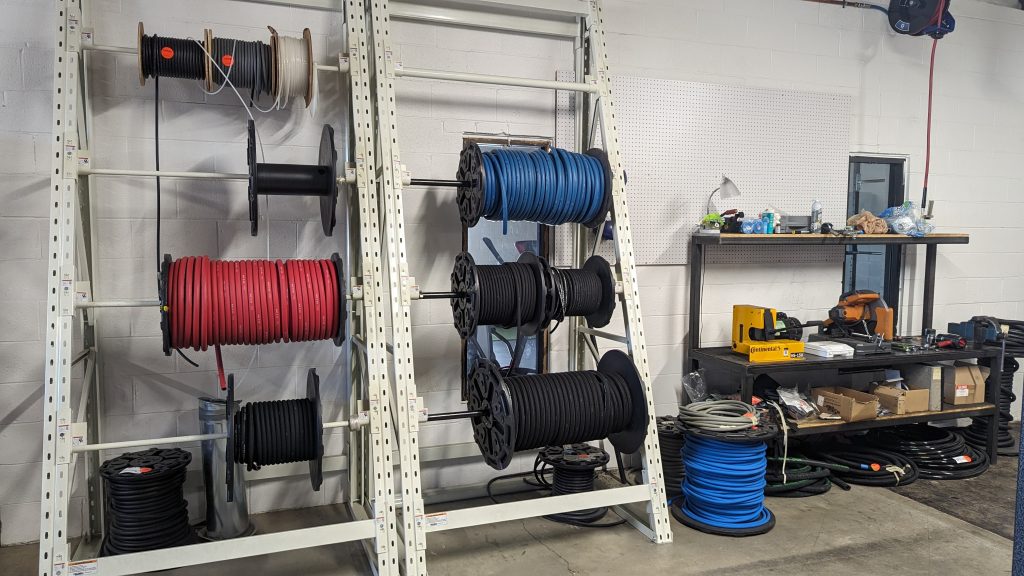
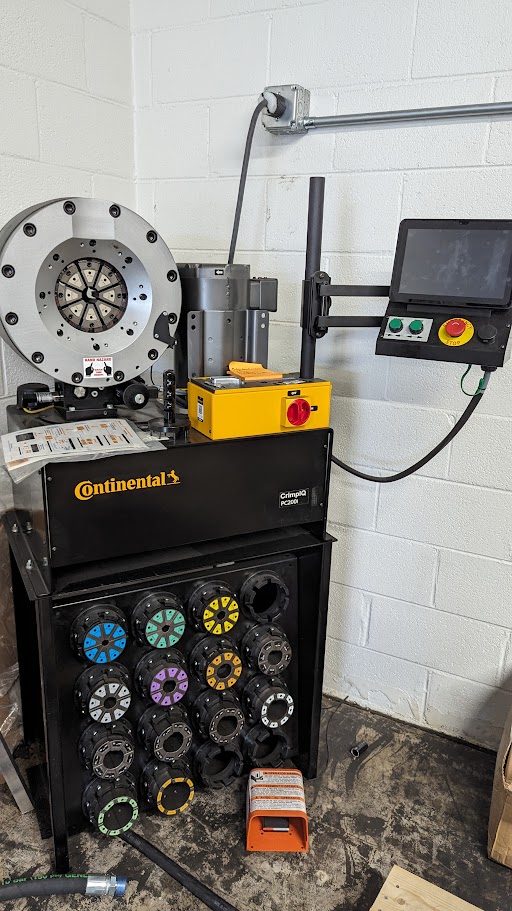
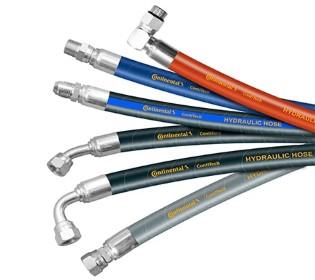
Custom hose crimping with a variety of end fittings- industrial hose bf sales
  • Material compatibility: If you’re transferring chemicals, food or corrosive liquids, your hose material must resist those substances. BF Sales’ hoses for industrial and sanitary applications use materials designed to handle such demands.
  • Pressure and temperature ratings: Especially for hydraulic hoses, but also for industrial hose lines exposed to heat or cold. Hose failure under pressure or extreme temperature is a common cause of downtime.
  • End fittings & crimping: How the hose connects to equipment matters. BF Sales offers custom hose crimping services with various end fittings like flanges, quick connects, JIC, etc., to match what your machinery expects.
  • Flexibility, bend radius & durability: In many systems, hoses must bend, flex, or twist. Industrial hose construction must include reinforcement, layers, or cover materials that resist abrasion and fatigue if hose movement is part of operation.
  • Sanitary design elements: For sanitary hoses, smooth interiors, cleanable surfaces, and compliant fittings are essential to avoid microbial build‑up, product contamination, or regulatory issues.

Preventative Maintenance: Keeping Your Hoses Healthy

Choosing the proper hose is just the start. Even the best hose wears over time. That’s where preventative maintenance plays a key role. At BF Sales, we emphasize regular inspections of hoses for kinks, abrasion, external damage, and secure fittings. Replacing end fittings or couplings before they degrade, checking for leaks or bulging, and verifying pressure tolerances periodically all help avoid unexpected failures. Proper preventative maintenance also increases safety and reduces downtime—both of which are costly in applications using industrial hoses.

Real‑World Benefits

When your industrial hose selection and maintenance are done well, the difference shows across operations:

  • Fewer leaks, surges, or burst lines
  • Greater system reliability during peak demand
  • Improved safety for workers and fewer emergency repairs
  • Extending service life of hose assemblies and associated fittings

For example, a sanitary hose used in a beverage facility with regular cleaning cycles and compliant fittings lasts longer, stays sanitary, and helps prevent costly recalls or shutdowns. A hydraulic hose in manufacturing that gets inspected regularly and replaced before damage becomes severe keeps the machinery running smoothly—no surprises in production schedules.

How BF Sales Supports Your Needs

industrial hose solutions bf sales

At BF Sales, we not only supply a wide variety of high‑quality hoses—sanitary, hydraulic, and industrial—we also support you in choosing the right one and maintaining it properly. Our resource page for hoses covers what you need to know about material, construction, hose types, custom assembly, and cleaning/regulation compliance. BF Sales We offer custom hose crimping services so your hose assemblies are built exactly to spec, helping ensure proper fit, reduced leaks, and strong performance.

Your Hose System, Optimized

Selecting the right industrial hose isn’t about choosing the “highest spec” blindly—it’s about matching the hose to the task, environment, and maintenance regimen. When you combine smart hose selection with preventative maintenance, your systems run safer, cleaner, and longer. If you want help matching hoses to your application—or setting up a maintenance plan for your hose systems—reach out to BF Sales. We’ve got experience in sanitary, hydraulic, and industrial applications, and we’re here to support your operations.

What Preventative Maintenance Really Means for Industrial Equipment Maintenance

If you’re managing any kind of production facility, you’re already familiar with the pressure to keep things running without interruptions. But for many, industrial equipment maintenance still means waiting until something breaks—then scrambling to fix it. At BF Sales, we see things differently. We believe that preventative maintenance is the key to safer, more efficient operations and long-term equipment health.

So what does preventative maintenance actually look like when done right? It’s not just scheduling a service call—it’s a system. A strategy. A way of doing business that protects your time, your investment, and your people.

Built Around Your Equipment, Not a Generic Schedule

Every operation is different. What works for one facility won’t necessarily work for another. That’s why BF Sales builds customized preventative maintenance programs for each customer. We consider your equipment type, usage rates, environmental factors, and even the experience level of your operators. The result? A plan that actually fits.

Our preventative maintenance programs focus on early detection and steady performance. Instead of reacting to failures, we help you stay ahead of them—saving time, money, and stress.

The Tools That Keep Your Operation Running

Preventative maintenance doesn’t rely on guesswork—it runs on insight and precision. At BF Sales, our team brings a variety of tools and techniques to each visit, including:

industrial equipment maintenance, preventative maintenance- bf sales
  • Visual inspections to spot wear and misalignment
  • Component testing and calibration
  • Fluid analysis to detect internal damage or contamination
  • Performance checks on pumps, valves, and moving parts

We also track equipment wear and recommend part replacements before they become problems. No surprises. No emergencies. Just a clear view of what’s working—and what needs attention.

Not Just Service—Support, Training, and Reporting

One of the biggest differences with BF Sales’ approach to industrial equipment maintenance is that we don’t just show up with tools—we show up with a strategy.

industrial equipment maintenance, preventative maintenance- bf sales

We empower your team by providing:

  • On-site training so operators can identify early warning signs
  • Documentation and reporting after every visit, outlining what was inspected, what was serviced, and what’s next
  • Emergency planning so you’re prepared if something ever does go wrong

Preventative maintenance should reduce your risk—not add to your to-do list. That’s why we make sure everything is trackable, transparent, and built around your workflow.

The Payoff: Why It Matters

Still wondering if a preventative approach is worth the effort? Time and again, we’ve seen how consistent industrial equipment maintenance delivers real, lasting value. Facilities experience fewer breakdowns, more predictable production schedules, and lower long-term repair expenses. It also contributes to a safer work environment and extends the life of critical machinery. But perhaps most importantly, preventative maintenance offers peace of mind. Instead of waiting for something to go wrong, you stay ahead of the problem—confident that your equipment is ready to perform when you need it most.

Built for the Long Haul

Your equipment isn’t short-term—and your maintenance strategy shouldn’t be either. BF Sales builds relationships that go beyond one-off service calls. We keep detailed records of your service history, help adjust your program as your facility grows, and serve as a partner who understands your unique challenges. When maintenance is done right, it becomes part of your process—not a disruption.

Ready to Make Maintenance Work for You?

If you’re still relying on reactive repairs, now’s the time to rethink your approach. BF Sales can help you turn maintenance into an asset, not an inconvenience. Whether you need a full program or just a second set of eyes on your current strategy, we’re here to help.

Explore our full Preventative Maintenance services or contact us directly to get started.

Let’s build something that works better—together.

Why the Right Fluid-Handling Equipment Matters in Oil and Gas Production Equipment

In the demanding environments of oilfields and refineries, oil and gas production equipment—including fluid-handling systems—plays a vital but often underappreciated role. From transferring crude oil and water to applying protective coatings and managing chemical inputs, the efficiency and safety of your operations often hinge on the quality of your hoses, valves, and pumps.

Choosing the right fluid-handling components isn’t just about performance—it’s about protecting people, preventing costly downtime, and extending the life of your oil and gas production equipment. At BF Sales, we work with professionals across the industry to provide durable, field-tested equipment built for the rigors of oil and gas applications.

The Role of Durable Hoses

oil and gas production equipment- bf sales hoses

Hoses are at the center of nearly every fluid transfer operation in oil and gas production equipment. They’re responsible for moving high-pressure fluids across long distances—often in harsh or hazardous environments. A single failure can mean chemical exposure, lost product, or even complete system shutdowns.

That’s why it’s critical to use industrial-grade hoses designed to handle pressure, abrasion, and corrosive substances. BF Sales offers industrial hydraulic hoses built for extreme-duty use, making them ideal for oilfield and refinery environments where reliability is non-negotiable. According to NRP Jones, improper hose selection is one of the leading causes of failures in upstream and midstream oil and gas operations.

Valves: Small Components, Big Responsibilities

In the world of oil and gas production equipment, valves regulate pressure, flow, and direction of fluids. Whether managing production chemicals, wastewater, or fuel, reliable valves are essential. Failures can lead to uncontrolled leaks or dangerous over-pressurization.

While BF Sales specializes in components like seals, spray systems, and pump accessories rather than large pipeline valves, we do offer compatible equipment that supports high-pressure applications. Many customers choose systems that meet or exceed API 682 standards, which define best practices for sealing in rotating equipment used throughout the petroleum industry.

Pumps and Maintenance: The Core of Your System

oil and gas production equipment- bf sales pumps

Pumps are one of the most heavily relied-upon components in oil and gas production equipment. Whether moving fuel, lubricants, or coatings, they need to operate reliably and continuously. But even the best pump won’t last without regular maintenance. Common issues like worn seals, dry runs, or bearing failures can take a pump offline and stall entire systems.

BF Sales offers Fluid Transfer Pumps designed for high-pressure petroleum and chemical applications, as well as rebuild kits and accessories to keep them running at peak performance. Regularly replacing seals, gaskets, and worn components helps avoid unexpected failures and keeps production flowing. As Pumps & Systems points out, proactive maintenance is the key to extending pump life in critical service environments.

What to Look for in Fluid-Handling Equipment

Not all components are created equal. In oil and gas production equipment, reliability depends on careful selection. Look for:

  • High-pressure ratings: Especially for hoses and pumps used in chemical transfer or coatings.
  • Chemical compatibility: Materials like stainless steel or Viton seals resist corrosion from harsh substances.
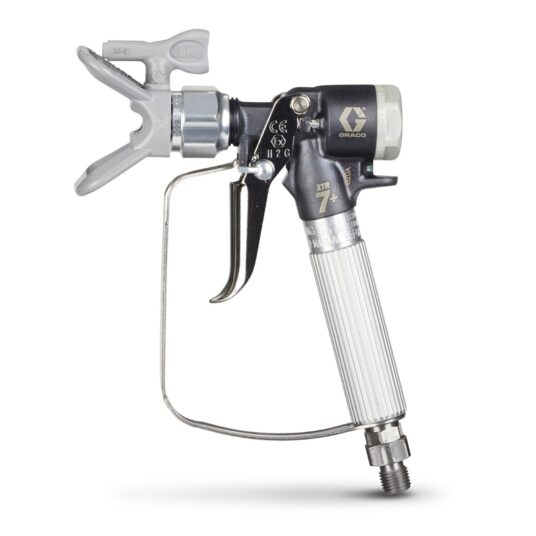
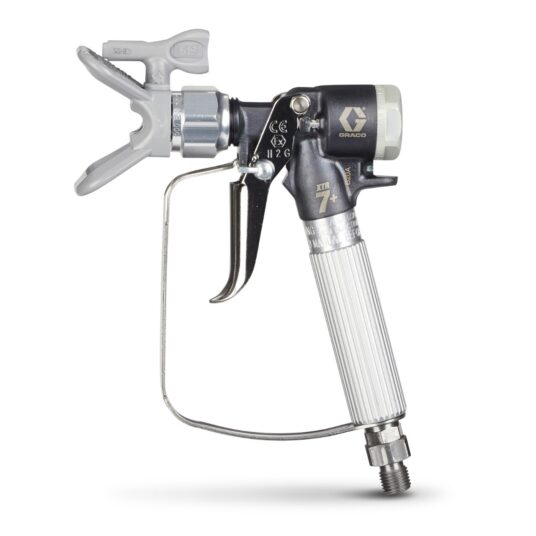
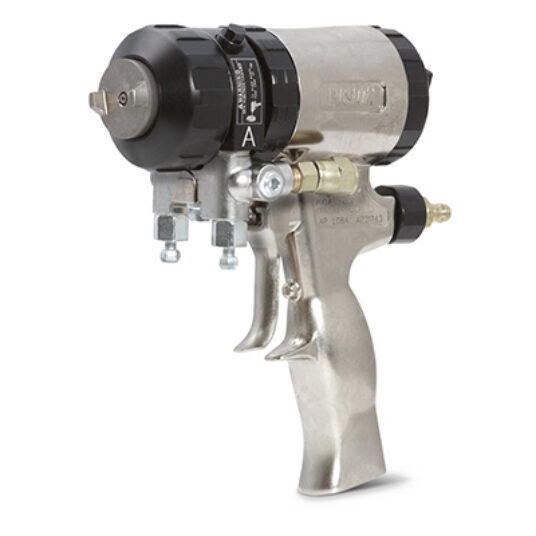
  • Field-tested durability: Equipment like the XTR7 Airless Spray Gun is built specifically for oilfield conditions.
  • API compliance: For valves and sealing components, API 682 and similar standards ensure safety and performance.
  • Serviceability: Choosing parts and tools that are easy to maintain helps avoid extended downtime.

Field-Proven Tools That Support Performance

Field technicians often rely on rugged, ergonomic tools to deliver precision coatings and manage fluid flows. The XTR7 gun mentioned above is a high-pressure tool built for oilfield and industrial use, offering comfort, control, and dependable spray performance under tough conditions.

These kinds of tools are critical for applying protective coatings that prevent corrosion—a major issue in both onshore and offshore environments. Using the right equipment helps extend the life of tanks, rigs, pipelines, and other oil and gas production equipment.

Building a Safer, More Efficient Operation

Investing in quality fluid-handling equipment isn’t just about minimizing downtime—it’s about creating a safer, more reliable work environment. Every hose that doesn’t burst, every valve that holds under pressure, and every pump that continues to run means fewer interruptions and fewer risks.

At BF Sales, we partner with professionals in the petroleum and processing industries to supply the highest-quality hoses, spray systems, and maintenance parts. Our goal is to help you maintain the integrity and longevity of your oil and gas production equipment—no matter how tough the job gets.To explore more products tailored for petroleum environments, visit our Oil, Gas & Petroleum Production category or contact us to speak with a specialist.

How Vendor-Managed Inventory Improves Coating Equipment Operations

When managing coating equipment, it’s easy to focus on high-level systems—pumps, sprayers, and spray booths—while overlooking the smaller components that keep everything running. But in reality, it’s the hoses, tips, filters, and seals that make or break your uptime. That’s where Vendor-Managed Inventory (VMI) becomes a game changer for any facility running coating equipment on a daily basis.

At BF Sales, we work with customers across industries to streamline parts availability for their airless sprayers, powder coating lines, and finishing systems. With VMI, we help ensure that the small but essential components of your coating equipment are always stocked and ready to go—before failure happens.

What Is Vendor-Managed Inventory?

Vendor-Managed Inventory is a supply chain service where BF Sales takes over the responsibility of tracking, stocking, and replenishing your most-used replacement parts. For coating equipment users, that means less scrambling to place emergency orders, fewer delays due to missing parts, and more consistent performance across your production line.

Rather than relying on reactive maintenance, VMI allows you to stay ahead with a curated inventory of the specific hoses, tips, filters, and pump kits your team uses most.

Core VMI Components for Coating Equipment

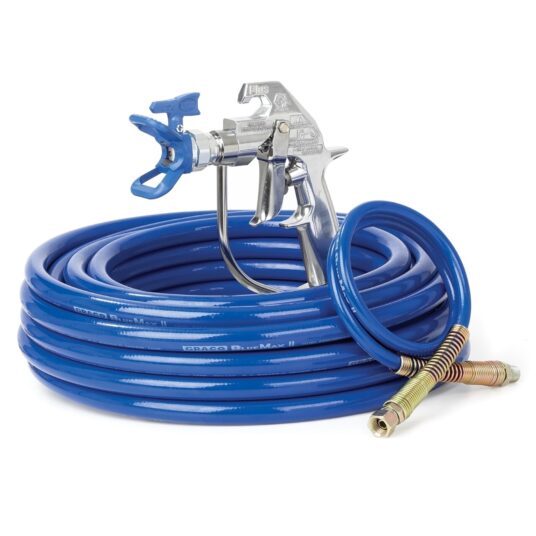
coating equipment bf sales- silver plus airless spray gun

High-performance hoses are the backbone of fluid delivery. For example, kits bundled with the Silver Plus Airless Spray Gun include BlueMax II hoses known for their flexibility and durability.

Spray tips and nozzles such as the RAC X Series used in the Contractor PC Airless Spray Gun wear out under heavy use. With VMI, replacements are always on hand to maintain coating quality .

Gun filters, like the 100‑mesh option for the Contractor PC Compact Spray Gun, prevent clogs and ensure even spray application .

Maintenance kits and pump seals keep your coating equipment functioning correctly. Having replacement kits in stock means unexpected seal failures won’t disrupt production.

Spare spray guns and accessories, such as the Contractor FTx Airless Spray Gun, guarantee you’re never left without the right tool mid-job.

Why VMI Matters for Coating Equipment Maintenance

The biggest benefit of Vendor-Managed Inventory is operational continuity. When your coating equipment is stocked with fresh parts and critical spares, your workflow stays intact—even when something fails. That means fewer unplanned work stoppages, faster repairs, and less revenue lost to downtime.

You’ll also save on shipping costs by consolidating orders and planning ahead rather than paying for expedited shipping every time a tip or filter runs out.

In addition, VMI frees up your team from tracking and managing inventory manually. BF Sales monitors part usage, reorders when necessary, and helps you make data-driven adjustments as your production needs evolve.

How the Process Works

Getting started with VMI is simple. First, we conduct an inventory audit of your coating equipment—documenting which parts and accessories you use regularly. Next, we establish minimum stocking levels for those items and set up an auto-replenishment schedule based on your usage. From there, you’ll receive regular check-ins and on-demand support.

For high-volume shops or production lines, we can even customize inventory kits per line or machine, so the right part is always in the right place. All parts are barcoded and tracked by BF Sales, ensuring accurate inventory levels and faster restocking without adding work for your team.

Ready to Reduce Downtime?

Coating equipment only performs as well as the maintenance behind it. With Vendor-Managed Inventory from BF Sales, you’re not just buying parts—you’re gaining peace of mind. We take care of the details so your team can focus on what matters: getting the job done right, on time, and on spec.

If you’re ready to streamline your spray operations and eliminate costly downtime, contact BF Sales to learn how VMI can support your coating equipment needs.

Selecting the Right Airless Paint Sprayer in 2025

If you’re in the market for an airless paint sprayer, it’s in your best interest to purchase equipment that delivers performance, efficiency, and long-term durability. Whether you’re tackling residential, commercial, or industrial jobs, the right paint sprayer can make all the difference in speed, coverage, and finish quality.

At BF Sales, we proudly offer a carefully selected range of models from top brands like Graco, Stellair, and PerformAA. In this post, we’ll help you understand how to choose the right one for your needs and highlight some of the best models available on our website today.

What is an Airless Paint Sprayer?

An airless paint sprayer uses high pressure to atomize paint without the need for compressed air. This method results in a smooth, even finish with minimal overspray and maximum efficiency. They are ideal for large surfaces and can be used with a wide variety of coatings, from latex and acrylic paints to primers and stains.

Professionals often turn to this product when speed and quality are non-negotiable. Whether you’re painting a warehouse, an exterior façade, or a multi-room interior, using one ensures consistent coverage and reduced project timelines.

Key Factors to Consider When Choosing an Airless Paint Sprayer

When selecting the right airless paint sprayer, consider the following:

  • Project Size: Are you handling small residential jobs or large-scale commercial applications?
  • Material Type: Some models are better suited for thicker coatings or specialty materials.
  • Portability: Do you need a sprayer that’s easy to move around a jobsite or between locations?
  • Power Source: Options range from electric to gas-powered sprayers—your choice may depend on jobsite access.
  • Flow Rate and Pressure: Higher flow rates and PSI ratings allow you to cover more ground, faster.

Top Airless Paint Sprayers at BF Sales

When it comes to finding reliable, high-performance airless paint sprayers, BF Sales proudly offers some of the best options in the industry. While a variety of manufacturers exist in the market, Graco stands out as the primary brand of airless paint sprayers sold and supported at BF Sales.

Graco Airless Paint Sprayers

Graco is an industry leader in airless paint sprayer technology, trusted by professionals for its durability, precision, and ease of use. BF Sales stocks a selection of Graco’s top airless paint sprayers for residential, commercial, and industrial use. Some standout models include:

airless paint sprayer- graco bf sales

BF Sales is an authorized distributor and service center for Graco, which means you get not only top-tier equipment but also expert support, repairs, and replacement parts when needed.

Why Buy Your Airless Paint Sprayer from BF Sales?

BF Sales is your one-stop shop for all industrial equipment. We provide expert support, a wide product selection, and service after the sale. Every product we stock has been vetted for performance and reliability, and our knowledgeable team is always ready to help you find the best solution for your projects.

When you buy from BF Sales, you’re not just getting an airless paint sprayer—you’re investing in equipment backed by service and support you can count on. Whether you’re looking for your first sprayer or upgrading to a larger unit, we have a model to meet your needs and your budget.

Choose Your Airless Paint Sprayer with Confidence

In 2025, the market continues to evolve with smarter technology, better ergonomics, and more customization options. Whether you’re tackling residential projects or high-volume industrial work, you can count on BF Sales and Graco to deliver the quality and support you need. Browse our full lineup of airless paint sprayers or contact us today to speak with an expert. The right one is just a click—or call—away.

The Industrial Equipment Supplier Behind Smarter Systems

If you’ve worked in any industrial setting for a while, you already know: not all industrial equipment suppliers are created equal. Some just want to push product and disappear. Others offer rock-bottom prices, but leave you hanging when things go sideways.

That’s not how we do things at BF Sales.

We’ve been around since 1964—so we’ve seen a thing or two. But more importantly, we’ve adapted to everything industry has thrown our way over the past 60 years. What’s stayed the same? Our commitment to being the kind of industrial equipment supplier you can actually count on.

Let’s talk about why that matters—and what makes BF Sales the right choice for your operation.

We’re Local, and That Means Something

We’re not just some name on a website. We’re a locally owned and operated company, and we actually keep inventory here—not in some distribution center three states away. That means when you need something, you’re not stuck waiting around. And when something goes wrong, we’re close enough to jump in and help.

We also have full-time service techs, a fleet of trucks, and office support that knows your name. That kind of local connection gives you faster response times, more personal service, and the kind of accountability that’s hard to find with a national chain.

We Know Our Stuff—and Share What We Know

Industrial equipment isn’t just about parts—it’s about performance. You need things to work—not just technically, but efficiently, reliably, and safely. That’s why our team is loaded with technical expertise across all our product lines.

Whether you’re designing a new system, upgrading old equipment, or trying to figure out why something keeps going down—we’re here to help you troubleshoot, spec, and source exactly what you need. And we’ll never pretend to know something we don’t. If we don’t have the answer, we’ll go find it.

We Carry the Brands That Get the Job Done

Quality matters. We’ve built relationships with top manufacturers because we know you’re not just looking for any part—you’re looking for the right one. The one that won’t fail under pressure. The one that fits your system and your budget.

We only recommend products we’d use ourselves—and we’ll always walk you through why it’s the right solution for your setup. No upselling. No fluff. Just straightforward guidance backed by experience as a leading industrial equipment supplier.

We Hustle—Because Downtime Costs You Money

If you’ve ever been stuck waiting days for a callback or weeks for a part, you know how frustrating (and expensive) it can be. That’s why we take pride in being fast, responsive, and proactive.

When you call us, we move. We track things down. We follow up. We don’t assume anything—we double-check, confirm, and communicate. It’s all part of making sure you’re never left guessing or waiting longer than you should.

We’re Focused on Your Best Solution—Not Ours

Here’s the thing: we’re not here to sell you something just because it’s in our warehouse. Our goal is to solve your problem—even if that means recommending a different product or pointing you to a solution we don’t carry.

That kind of honesty has earned us long-term relationships with our customers—and with our manufacturers. When people know they can trust you, they keep coming back. And for us, that’s the best measure of success as an industrial equipment supplier.

BF Sales: The Industrial Equipment Supplier That Delivers

When you’re choosing an industrial equipment supplier, you want more than just a price list. You want a partner who understands what you’re dealing with, who moves fast, who brings technical insight to the table, and who stands behind the equipment they sell.

That’s exactly what we’ve built at BF Sales—and it’s why so many companies across Colorado and beyond keep coming back to us.

If you’re ready for a smarter, more supportive industrial equipment supplier, we’re ready to help.

Let’s get to work.

Pump Repairs: The Key to Maximizing Equipment Lifespan and Performance

In industrial and commercial settings, pumps are vital for keeping operations running smoothly. Whether in water treatment facilities, oil refineries, manufacturing plants, or HVAC systems, pumps are essential for moving fluids such as water, chemicals, oil, and more.

Over time, the constant mechanical demands placed on pumps can cause wear and tear, leading to reduced efficiency and eventual breakdowns. This is where pump repairs become critical. Understanding when and why to perform repairs can save your business from costly downtimes and premature replacements.

The Importance of Timely Pump Repairs

Pumps are complex machines with numerous moving parts. Seals, bearings, impellers, and motors are just a few components that must work in perfect harmony. As with any mechanical system, failures in one part of the pump can lead to damage in others, especially when repairs are delayed. Timely pump repairs ensure that small problems don’t escalate into more significant issues, which could compromise the entire system and lead to expensive fixes or replacements.

Beyond avoiding catastrophic failures, timely pump repairs also contribute to energy efficiency. When pumps are operating under stress or with damaged parts, they consume more energy to perform the same tasks. This can lead to higher operational costs over time. Regular maintenance and prompt repairs help keep energy consumption in check, improving the overall efficiency of your operations.

How to Identify When Your Pump Needs Repair

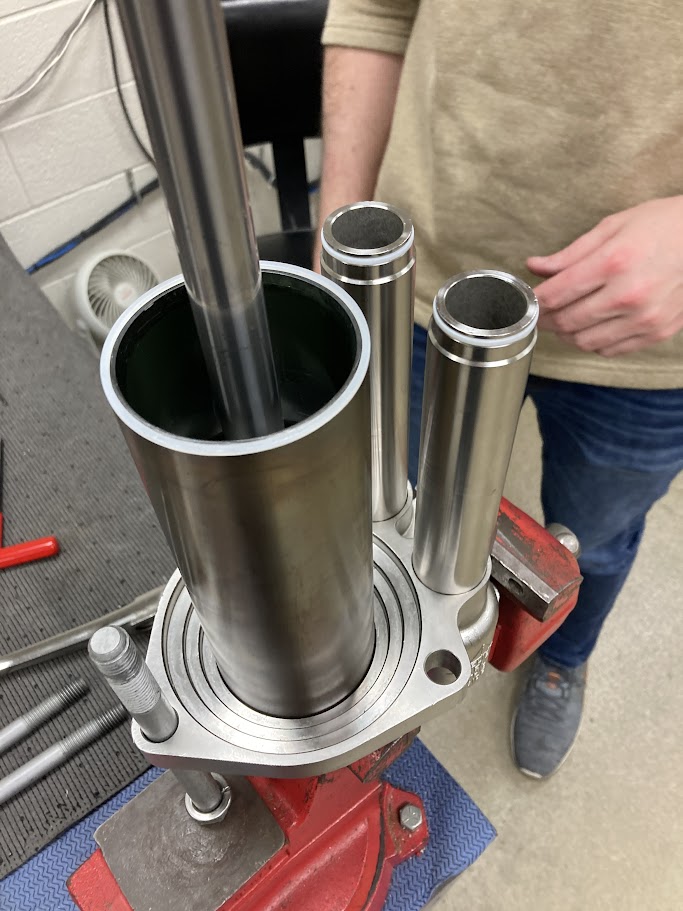
Pump repairs and refurbishment in our shop in Denver

Being proactive about pump maintenance starts with understanding the warning signs that indicate a problem. By catching these signs early, you can minimize damage and avoid unexpected breakdowns. Here are some key indicators that your pump may require immediate attention:

Reduced Performance or Flow Rate: A decrease in the pump’s output, such as lower fluid flow or pressure, could signal internal blockages or mechanical issues. This could be due to worn-out components or even debris buildup in the pump.

Excessive Noise: Pumps generally operate with some level of noise, but if you hear unusual sounds like grinding, rattling, or whining, it’s a strong indication that something is wrong. Such noises often point to issues with bearings, misalignment, or cavitation (the formation of air bubbles in the pump’s system).

Fluid Leaks: Pumps are designed to be sealed systems. Any sign of leakage around seals or gaskets suggests wear and tear that needs addressing. Leaks not only reduce pump efficiency but can also lead to environmental concerns and safety hazards.

Frequent Overheating: Overheating is a telltale sign of motor problems, poor lubrication, or excessive friction between moving parts. A pump that runs hot may soon fail if the issue isn’t addressed.

Excessive Vibration: While some vibration is normal in pumps, excessive or unusual vibration can indicate an imbalance, improper alignment, or issues with the mounting. If left unchecked, it can cause damage to internal components and shorten the pump’s lifespan.

Common Pump Problems and Their Solutions

There are a variety of problems that can affect pump performance. Here are some of the most common pump issues and their potential solutions:

Worn-Out Seals: Seals are vital for preventing leaks in the pump. Over time, they can wear out due to constant exposure to pressure, temperature fluctuations, and abrasive fluids. Replacing worn seals is a relatively simple repair that can prevent more severe damage.

Bearing Failure: Bearings support the pump’s rotating parts. If they wear out or become misaligned, they can cause excessive friction, leading to noise, vibration, and overheating. Replacing bearings and properly lubricating them can restore pump function.

Impeller Damage: The impeller is responsible for moving fluids through the pump. Corrosion, wear, or foreign objects can damage the impeller, reducing the pump’s efficiency. Impeller replacement or repair is often necessary in these cases.

Motor Issues: Problems with the pump’s motor, such as electrical faults or mechanical wear, can cause the pump to stop functioning or run inefficiently. Depending on the extent of the damage, motor repairs or replacement may be needed.

The Benefits of Regular Pump Maintenance

While repairs are necessary when problems arise, regular maintenance is the best way to avoid frequent pump repairs and extend the life of your equipment. Preventive maintenance involves routine inspections, cleaning, lubrication, and testing to ensure all components are in good working condition. By catching small issues before they become big problems, maintenance can save your business time and money.

Regular maintenance also offers several other benefits:

Improved Efficiency: A well-maintained pump runs more efficiently, requiring less energy to operate. This can lead to significant savings on utility bills over time.

Reduced Downtime: Pumps that are regularly maintained are less likely to experience unexpected breakdowns. This means less downtime for your business and fewer disruptions to your operations.

Longer Lifespan: Proper care extends the life of your pump, delaying the need for costly replacements.

Why Choose BF Sales for Pump Repairs?

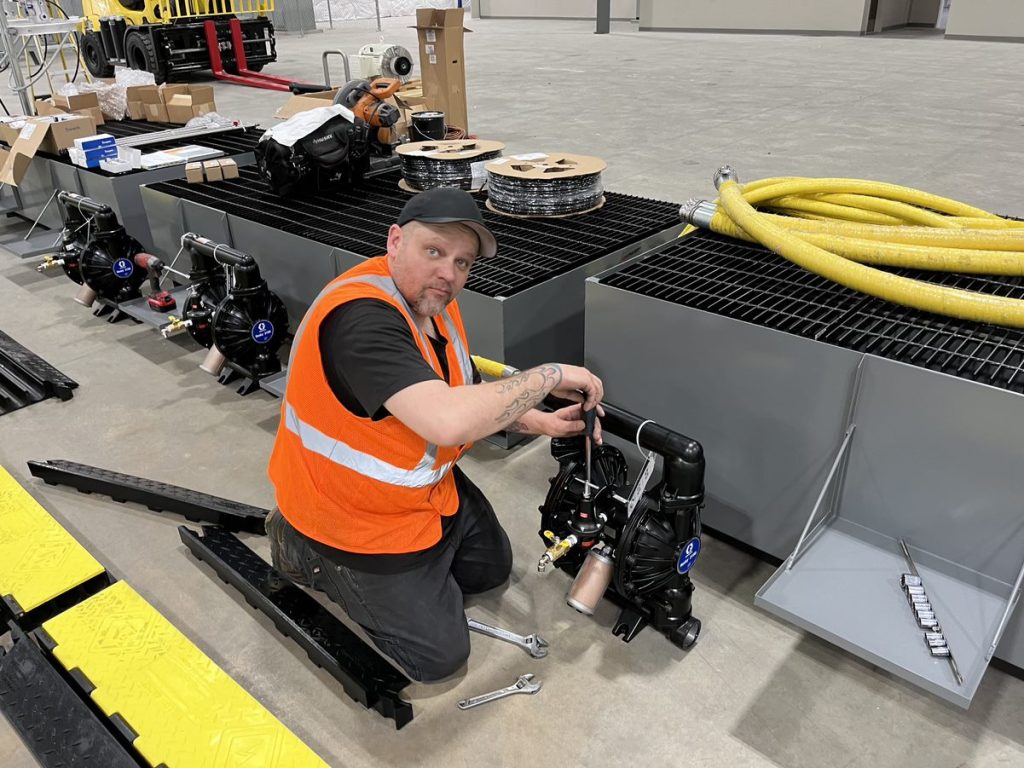
Onsite training for customer's maintenance teams for pump & valve repairs, pump repairs

At BF Sales, we understand the importance of keeping your pumps in top condition. Our team of experienced technicians specializes in pump repairs and maintenance, ensuring that your equipment runs smoothly and efficiently. We provide comprehensive services for all types of pumps, including:

Our repair process begins with a detailed diagnostic assessment. We thoroughly inspect each component to identify the root cause of any issues. From there, we develop a customized repair plan that may include replacing worn-out parts, rebuilding key components, or performing complete overhauls. After repairs are complete, we test your pump to ensure it’s operating at peak performance before returning it to service.

A Complete Suite of Services for Pump and Valve Repairs

In addition to pump repairs, we offer a complete suite of services, including valve repairs and preventive maintenance programs. Our technicians are equipped to handle everything from routine maintenance to emergency repairs, ensuring your pumps are always in top shape.

Our valve repair services cover a wide range of industries, including water treatment, oil and gas, chemical processing, and more. We understand the unique demands of each sector and tailor our services accordingly. By offering both pump and valve repair services, we provide a one-stop solution for all your fluid-handling needs.

The BF Sales Preventive Maintenance Program

To further reduce the risk of pump breakdowns, we offer preventive maintenance programs tailored to your specific equipment. These programs include regular inspections, performance tests, lubrication, and seal replacement, helping to catch potential issues before they lead to major repairs. By scheduling regular maintenance, you can reduce the likelihood of unexpected failures and extend the life of your pumps.

Choose BF Sales for Comprehensive Pump and Valve Care

Keeping your pumps in optimal condition is crucial for ensuring smooth operations, minimizing downtime, and reducing energy costs. By investing in regular maintenance and prompt pump repairs, you can extend the lifespan of your equipment and avoid costly replacements. Whether you’re dealing with minor wear and tear or a major pump failure, we have the expertise to provide quick and effective solutions.

For more information about our comprehensive pump repair services, visit our Pump and Valve Repairs page and discover how we can help you keep your pumps running at their best.

What is an Electrostatic Spray Gun?

In the realm of industrial equipment, the tools used can significantly impact the quality, efficiency, and cost-effectiveness of production processes. One such tool that has revolutionized the coating and painting industry is the electrostatic spray gun.

The electrostatic spray gun is used in many industries, such as car manufacturing and furniture production. It offers a high-quality finish. It also provides great accuracy. But exactly what is an electrostatic spray gun, how does it work, and why should industries consider incorporating it into their operations?

Understanding the Technology Behind Electrostatic Spray Guns

At the core of the electrostatic spray gun lies the principle of electrostatics, which deals with the behavior of electric charges that are at rest. The functionality of an electrostatic spray gun is based on this principle, which enables it to efficiently apply coatings to surfaces with minimal waste and maximum coverage.

When the paint or coating material is sprayed from an electrostatic spray gun, it passes through an electrostatic field generated by the gun. This field imparts an electric charge to each particle of the coating material. Typically, the particles are given a negative charge, although positive charges can also be used depending on the application.

The object or surface being coated is usually grounded, which means it has a neutral or opposite charge. Charged particles stick better and more evenly to a grounded surface than they do with regular spray methods.

This attraction results in a “wrap-around” effect, where the coating particles are drawn to the entire surface, including the edges and hard-to-reach areas. This effect not only ensures a more even and consistent coat but also reduces overspray—a common issue in traditional spraying methods where a significant portion of the paint misses the target surface.

electrostatic spray gun

The Benefits of Using an Electrostatic Spray Gun

The electrostatic spray gun is lauded for several advantages that make it a preferred choice in various industrial applications. These benefits contribute to improved efficiency, reduced waste, and a higher quality finish, all of which are critical in manufacturing and production settings.

Enhanced Coverage and Uniformity

One of the primary benefits of using an electrostatic spray gun is its ability to provide superior coverage. The electrostatic attraction between the charged paint particles and the grounded surface ensures that the coating is applied evenly across the entire surface, including edges, corners, and recesses. This results in a smooth, consistent finish that is difficult to achieve with conventional spraying techniques.

Moreover, the wrap-around effect means that even complex shapes and contours are coated evenly, reducing the need for touch-ups or additional coats. This not only improves the aesthetic quality of the finish but also enhances the durability and protective properties of the coating.

Increased Material Efficiency

Traditional spray methods often waste a lot of paint, as much of it does not stick to the intended surface. This not only leads to material waste but also requires more frequent refills and increases the overall cost of the coating process.

In contrast, the electrostatic spray gun is highly efficient in its use of materials. The charged particles are strongly attracted to the grounded surface, minimizing overspray and ensuring that more of the coating material ends up on the intended object. This results in less waste, lower material costs, and a more sustainable coating process.

Cost-Effectiveness

The improved efficiency and reduced material waste offered by an electrostatic spray gun translate into significant cost savings for industrial operations. Companies can save money by using less paint or coating material to get the finish they want. Additionally, the reduced need for touch-ups and rework further cuts down on labor costs and production time.

Over time, the investment in an electrostatic spray gun can pay for itself through these cost savings, making it a wise choice for industries that rely on high-quality coatings.

Environmental Benefits

In today’s industrial landscape, sustainability is a key concern. Companies are increasingly looking for ways to reduce their environmental impact while maintaining or improving their production capabilities. The electrostatic spray gun contributes to these efforts by minimizing overspray and reducing the amount of volatile organic compounds (VOCs) released into the environment.

VOCs are harmful chemicals commonly found in paints and coatings that can contribute to air pollution and pose health risks to workers. By using an electrostatic spray gun, industries can lower the amount of paint needed and, consequently, the amount of VOCs emitted. Additionally, many electrostatic spray systems are compatible with low-VOC coatings, further enhancing their environmental benefits.

Improved Safety

Safety is always a top priority in industrial settings, and the electrostatic spray gun offers several features that enhance workplace safety. Traditional spray methods can generate static electricity, leading to the risk of sparks and, in some cases, fires or explosions, particularly in environments where flammable materials are present.

Electrostatic spray guns are designed to mitigate these risks. Controlling particle charging and grounding the surface stops static electricity from building up, lowering the risk of dangerous situations. Additionally, the precision of the electrostatic spray gun allows for more controlled and directed spraying, minimizing the risk of accidental overspray or exposure to harmful chemicals.

Applications of Electrostatic Spray Guns

The versatility of the electrostatic spray gun makes it suitable for a wide range of applications across various industries. While it is most commonly associated with the automotive industry, where it is used to apply paint to vehicles, its use extends far beyond this sector.

In the aerospace industry, electrostatic spray guns are used to apply protective coatings to aircraft components, ensuring durability and resistance to harsh environmental conditions. The furniture industry also benefits from electrostatic spray guns, which are used to apply finishes to wooden and metal furniture, achieving a smooth and durable surface.

In the industrial manufacturing sector, electrostatic spray guns are used to apply coatings to machinery, tools, and equipment, providing corrosion resistance and extending the lifespan of these assets. Additionally, the food and beverage industry uses electrostatic spraying to apply coatings to packaging materials, ensuring product safety and extending shelf life.

Factors to Consider When Choosing an Electrostatic Spray Gun

When selecting an electrostatic spray gun, it’s essential to consider the specific needs of your application. The type of coating material, the surface being coated, and the required finish quality should all influence your choice. Factors such as the size and shape of the objects being coated, the speed of production, and the desired level of automation are also important considerations.

While this article does not focus on specific models or brands, BF Sales offers a wide range of electrostatic spray guns to meet the needs of any industrial application. Their expert team can help you select the right tool for your specific requirements, ensuring that you achieve the best possible results in your coating processes.

The electrostatic spray gun is a powerful tool that has transformed the way coatings are applied in various industries. By leveraging the principles of electrostatics, this innovative device offers superior coverage, increased efficiency, and significant cost savings. Whether you are in the automotive, aerospace, or industrial manufacturing sector, an electrostatic spray gun can help you achieve a high-quality finish while reducing waste and environmental impact.

For more information on the best electrostatic spray gun for your needs, explore the selection available at BF Sales, the premier supplier of industrial equipment. Their knowledgeable staff can guide you in choosing the right equipment to enhance your production capabilities and ensure your success in the competitive industrial landscape.

Powder Coating Equipment 101

Powder coating is a versatile and durable finishing process used across various industries to protect and enhance the appearance of metal products. Whether you’re new or looking to upgrade your equipment, understanding the essentials of powder coating equipment is crucial.

This guide will explain the basics of powder coating equipment, showcasing a leading brand like Gema, found at BF Sales.

What is Powder Coating?

Powder coating is a dry finishing process that involves applying a powder material to a surface, which is then cured under heat to form a solid, durable finish. It is eco-friendly because it doesn’t need solvent like liquid paint, reducing waste. This process is widely used in automotive, industrial, and consumer product manufacturing due to its superior durability and aesthetic appeal.

Essential Powder Coating Equipment

To achieve a high-quality finish, you need the right equipment. Here are the essential components of a powder coating system:

1. Powder Coating Spray Gun

The spray gun is the heart of the powder coating process. It electrostatically charges the particles, ensuring they adhere to the metal surface. We offer a variety of Gema high-performance spray guns.

Types of Powder Coating Spray Guns

  • Corona Guns: These guns use a high-voltage power supply to generate an electrostatic charge, which is applied to the particles as they exit the gun.
  • Tribo Guns: These guns generate an electrostatic charge through friction, as the powder particles rub against the gun’s interior surfaces. Tribo guns are often used for coatings that require a smoother finish.

2. Powder Coating Booth

A powder coating booth provides a controlled environment for applying it, preventing contamination and overspray. These booths are designed to captures the excess, which can be recycled and reused, enhancing efficiency and reducing costs.

Types of Powder Coating Booths

  • Open Face Booths: These booths have an open front, making them ideal for smaller items and batches.
  • Closed Booths: Enclosed on all sides, these booths are suitable for larger items and higher production volumes, offering better containment of overspray.

3. Curing Oven

Once it is applied, the coated item is placed in a curing oven. The oven heats it to its melting point, allowing it to flow and form a smooth, even coating. The curing process is critical for achieving a durable and long-lasting finish.

Types of Curing Ovens

  • Convection Ovens: These ovens use circulating hot air to cure the powder. They are versatile and can accommodate various sizes and shapes of items.
  • Infrared Ovens: These ovens use infrared radiation to heat it. They offer faster curing times and are energy efficient but may not be suitable for all types.

4. Powder Feed System

The feed system transports from its container to the spray gun. It typically includes hoppers, pumps, and hoses. An efficient feed system ensures a consistent flow, reducing downtime and maintenance.

Types of Powder Feed Systems

  • Vibratory Feed Systems: These systems use vibration to move it from the hopper to the gun. They are simple and reliable.
  • Pump Feed Systems: These systems use pumps to transport it. They offer more precise control over the flow and are suitable for high-volume production.

5. Control Unit

The control unit manages the various parameters of the coating process, such as voltage, airflow, and flow rate. Advanced control units offer digital interfaces and automated settings for precision and ease of use.

Choosing the Right Powder Coating Equipment

Selecting the right powder coating equipment depends on several factors, including the size and type of items you’re coating, production volume, and specific application requirements. Here are a few tips to help you choose the best equipment for your needs:

  1. Consider Your Production Needs: High-volume operations may require automated systems, while smaller batches can be handled with manual equipment. Automated systems increase efficiency and consistency but come with a higher initial investment. Manual systems are more flexible and cost-effective for small to medium-sized operations.
  2. Evaluate the Coating Material: Different ones have unique characteristics and requirements. Ensure your equipment is compatible with the powders you intend to use. Some require specific types of spray guns or curing ovens to achieve the best results.
  3. Look for Reliable Brands: Investing in reputable brands like Gema ensures you get high-quality, durable equipment that delivers consistent results from a wide range of products to meet various needs and are known for innovation, consistency and reliability.

Benefits

Powder coating offers several advantages over traditional painting methods:

  • Durability: These finishes are resistant to chipping, scratching, and fading, making them ideal for high-use items. This durability extends the lifespan of the coated items, reducing the need for frequent maintenance and replacements.
  • Environmental Friendliness: It is a solvent-free process, reducing the release of volatile organic compounds (VOCs) into the environment. This makes it a safer choice for workers and reduces environmental impact.
  • Efficiency: The electrostatic application process minimizes waste, and excess can be reclaimed and reused. This not only reduces costs but also improves the sustainability of the coating process.
  • Aesthetic Flexibility: It provides a wide range of colors and finishes, including matte, glossy, and textured options. This versatility allows for greater creativity in design and can enhance the appearance of the coated items.
  • Cost-Effectiveness: Although the initial investment in powder coating equipment may be higher than traditional painting systems, the long-term savings on materials, labor, and maintenance make it a cost-effective solution. It also requires less energy and time to complete, further reducing operational costs.

Common Applications

Powder coating is used in various industries due to its durability and aesthetic appeal. Here are some common applications:

  • Automotive Industry: It is used on car parts such as wheels, bumpers, and engine components to provide a durable and attractive finish. It offers excellent resistance to road salts, chemicals, and UV light, making it ideal for automotive applications.
  • Industrial Equipment: Machinery and equipment in industrial settings are often coated to protect against wear and corrosion. The robust finish extends the lifespan of the equipment and maintains its appearance.
  • Consumer Goods: Many household items, such as appliances, furniture, and outdoor equipment, are coated to improve their durability and appearance. It offers a range of colors and finishes that enhance the aesthetic appeal of these products.
  • Architectural Applications: Architectural elements like railings, fences, and aluminum extrusions are coated to protect against weathering and provide a consistent, attractive finish. It can withstand harsh environmental conditions, making it suitable for outdoor applications.

Conclusion

Investing in high-quality powder coating equipment is essential for achieving superior finishes and maximizing efficiency. Gema and BF Sales, offer reliable and advanced solutions for all your coating needs. Whether you’re a beginner or a seasoned professional, understanding the fundamentals of powder coating equipment will help you make informed decisions and achieve the best results.

Explore our Gema Powder Coating Equipment products to find the perfect tools for your powder coating projects.

For more information and expert advice, visit BF Sales today and discover our extensive range of powder coating solutions. Our team is ready to help you choose the best equipment to meet your specific needs, ensuring you achieve optimal results with every project.

Graco Spray Gun Buyer Guide

When it comes to finding top-notch spray guns for industrial applications, Graco stands out as a leader in the field. As the premier supplier of industrial equipment in the Rocky Mountain region, BFSales proudly offers a comprehensive range of Graco spray guns. This guide will help you navigate the various options available, including airless spray guns, electrostatic spray guns, and pressure washer spray guns, ensuring you select the perfect tool for your needs.

Understanding the Types of Graco Spray Guns

1. Airless Spray Guns

Airless spray guns are ideal for high-volume, high-pressure applications, providing a smooth, even finish with minimal overspray. These are perfect for large surface areas and heavy-duty projects, making them a popular choice in industries such as construction, manufacturing, and shipbuilding.

Key Features:

graco airless spray gun - magnum x7
  • High Efficiency: Delivers a consistent spray pattern, reducing the number of passes needed and ensuring even coating.
  • Durability: Built with robust materials to withstand rigorous use and harsh working conditions.
  • Versatility: Suitable for various coatings, including paints, stains, and varnishes, making them ideal for diverse applications.

Advantages:

Airless spray guns offer several advantages that make them a top choice for professionals:

  1. Speed: They can apply paint faster than traditional methods, saving time on large projects. This is particularly beneficial for contractors who need to complete jobs quickly without compromising on quality.
  2. Quality: Provides a high-quality finish with fewer imperfections, reducing the need for touch-ups. The high-pressure application ensures that the paint penetrates into the surface, creating a smooth and durable finish.
  3. Cost-Effective: Reduces paint waste due to minimal overspray, leading to cost savings over time. This efficiency makes airless spray guns an economical choice for large-scale projects.

Popular Models:

  • Graco Ultra Max II 490 PC Pro: Known for its compact design and powerful performance, this model is perfect for contractors who need a reliable and efficient tool. The ProConnect system allows for quick and easy pump replacement, minimizing downtime.
  • Graco Magnum X7: Offers adjustable pressure control for ultimate versatility, allowing users to fine-tune the spray pattern to suit their needs. It is suitable for both interior and exterior applications, making it a versatile tool for various projects.

2. Electrostatic Spray Guns

Electrostatic spray guns use an electric charge to attract paint particles to the surface, ensuring even coverage and reducing overspray. This technology is particularly beneficial for coating complex shapes and achieving a superior finish with less paint waste. Industries such as automotive, aerospace, and furniture manufacturing benefit greatly from electrostatic spray technology.

Key Features:

  • Efficiency: Reduced overspray means less paint waste and lower costs, making these a cost-effective solution.
  • Quality Finish: Provides a smooth, uniform coating, ideal for applications that demand a high-quality finish.
  • Environmental Benefits: Lower emissions due to efficient paint transfer, contributing to a greener workplace.

Advantages:

Graco Pro Xp85 electrostatic spray gun

Electrostatic spray guns offer distinct advantages that set them apart:

  1. Precision: The electrostatic charge ensures that the paint is evenly distributed, even on complex surfaces. This precision is essential for applications requiring a flawless finish, such as automotive painting.
  2. Reduced Paint Usage: High transfer efficiency means less paint is needed to achieve the desired coverage. This not only saves on material costs but also reduces environmental impact.
  3. Cleaner Work Environment: Less overspray results in a cleaner work environment, reducing the need for extensive cleanup. This efficiency also minimizes exposure to harmful chemicals, promoting a safer workplace.

Popular Models:

  • Graco Pro XP Electrostatic Spray Gun: Delivers high transfer efficiency with a lightweight, ergonomic design, making it easy to handle and operate for extended periods. It is ideal for both manual and automatic applications, providing flexibility for various industries.
  • Graco Pro Xp85: Offers customizable settings to suit various application needs, providing flexibility and precision. Its advanced technology ensures consistent performance, even in demanding environments.

3. Pressure Washer Spray Guns

Pressure washer spray guns from Graco are designed to handle tough cleaning tasks, making them perfect for removing dirt, grime, and old paint from surfaces. These spray guns are essential for surface preparation and maintenance in various industries, including construction, agriculture, and automotive.

Key Features:

graco pressure washer spray gun
  • Powerful Cleaning: High-pressure output for efficient cleaning, capable of tackling the toughest dirt and grime.
  • Durable Construction: Made to withstand harsh environments and heavy use, ensuring long-lasting performance.
  • Ergonomic Design: Comfortable grip and easy-to-use controls, reducing operator fatigue during prolonged use.

Advantages:

Pressure washer spray guns provide several benefits that enhance their effectiveness:

  1. Efficiency: High-pressure cleaning reduces the time and effort required to prepare surfaces for painting or other treatments. This efficiency is crucial for large-scale cleaning tasks where time is of the essence.
  2. Versatility: Suitable for a wide range of cleaning tasks, from heavy-duty industrial cleaning to light maintenance. Pressure washer spray guns can handle various surfaces, including concrete, metal, and wood.
  3. Cost Savings: Reduces the need for chemical cleaners, making it an environmentally friendly and cost-effective solution. The powerful cleaning action of pressure washer spray guns minimizes the reliance on harsh chemicals, promoting a safer and more sustainable cleaning process.

Popular Models:

  • Graco Magnum ProX19: Offers powerful performance and easy maintenance, making it ideal for professionals who need a reliable tool for demanding cleaning tasks. Its high-flow rate ensures efficient cleaning, even in challenging conditions.
  • Graco Magnum X5: Ideal for light to medium-duty cleaning tasks, this model provides a balance of power and portability. Its compact design and adjustable pressure settings make it suitable for various cleaning applications.

Choosing the Right Spray Gun for Your Needs

When selecting a Graco spray gun, consider the following factors to ensure you choose the right tool for your specific application:

  1. Application Type: Determine whether you need it for painting, coating, or cleaning. Each type has unique features designed to optimize performance for specific tasks.
  2. Material: Consider the type of coating material you will be using. Different spray guns are designed to handle various materials, including paints, stains, varnishes, and cleaning agents. For instance, airless are well-suited for thicker coatings, while electrostatic excels with fine finishes.
  3. Surface Area: Choose one that matches the size of the area you need to cover. Larger surfaces may require more powerful spray guns to ensure even coverage and efficient application. Conversely, smaller, intricate areas may benefit from the precision of an electrostatic spray gun.
  4. Frequency of Use: Select a model that can handle the demands of your work environment. Heavy-duty, frequent use requires durable and robust ones, while occasional use may allow for a more lightweight and portable option. Assess your usage patterns to determine the best fit.
  5. Budget: Consider your budget and the long-term cost-effectiveness. While higher-end models may have a higher upfront cost, their efficiency and durability can lead to long-term savings. Investing in a quality spray gun can reduce maintenance costs and downtime, enhancing overall productivity.

Maintenance and Care Tips for Graco Spray Guns

To ensure your Graco spray gun performs optimally and lasts for years, follow these maintenance and care tips:

  • Regular Cleaning: Clean it thoroughly after each use to prevent buildup and clogs. Use appropriate cleaning solutions recommended by Graco. Proper cleaning ensures consistent performance and extends the lifespan of the spray gun.
  • Inspection: Regularly inspect for any signs of wear or damage. Replace worn-out parts promptly to maintain performance. Keeping spare parts on hand can minimize downtime and keep your projects on track.
  • Proper Storage: Store in a clean, dry place when not in use. Use protective covers to keep dust and debris away. Proper storage prevents contamination and preserves the components.
  • Lubrication: Apply lubricant to moving parts as recommended by the manufacturer to ensure smooth operation. Regular lubrication reduces friction and wear, maintaining the spray gun’s efficiency.
  • Follow Manufacturer Instructions: Always follow the manufacturer’s instructions for maintenance and use to avoid damaging it. Adhering to the guidelines ensures optimal performance and safety.

Conclusion

BFSales is committed to providing the highest quality industrial equipment, and our range of Graco spray guns, other equipment, and systems is no exception. Whether you need an airless for large-scale projects, an electrostatic for precision coating, or a pressure washer spray gun for tough cleaning tasks, we have the perfect solution for you. Graco’s innovative technology and durable construction ensure that you get the best performance and results, no matter the application.

Our team is here to help you find the right tools to enhance your productivity and achieve the best results in your projects. With the right Graco spray gun from BFSales, you can tackle any job with confidence and precision.