
Why Does Pump Cavitation Happen?

What Causes Pump Cavitation?
A rattling sound, unstable pressure, or unexpected drop in flow can signal pump cavitation. The problem can affect fluid-handling systems in manufacturing, processing, and other industries. Understanding why it happens helps maintenance teams identify the underlying cause, limit damage, and avoid repeated failures.
What Is Pump Cavitation?
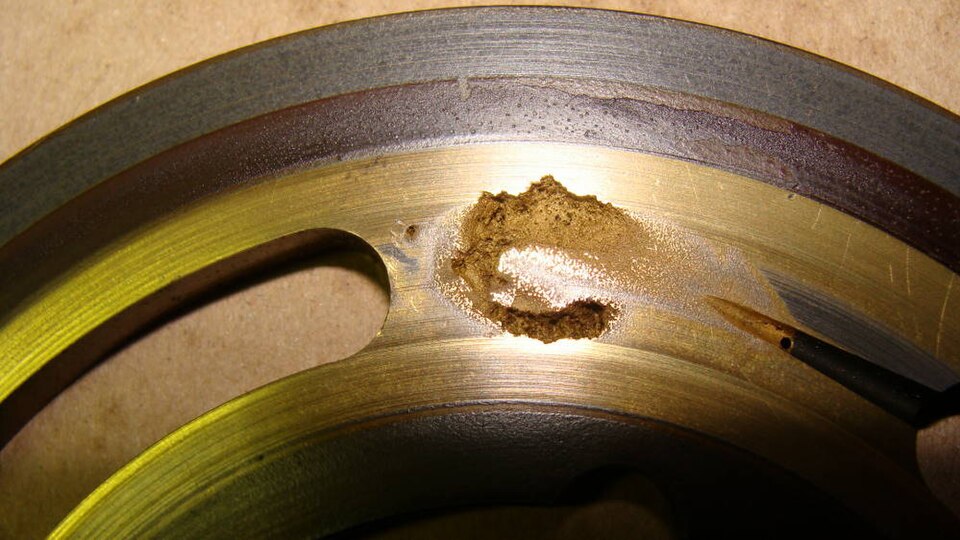
It starts when pressure in a liquid falls below its vapor pressure. Vapor bubbles form, then collapse as liquid enters a higher-pressure area. In centrifugal pumps, this often happens near the impeller.
The bubbles aren’t simply air entering the line. They’re vapor created by a pressure change. Their collapse produces powerful impacts against nearby surfaces. Over time, it can pit an impeller, increase vibration, and reduce output.
Replacing a damaged impeller without fixing the pressure conditions can allow It to return
What Causes Pump Cavitation?
Several conditions can trigger this, sometimes simultaneously:
- Restricted suction flow. Clogged strainers, piping, or partially closed suction valves can lower inlet pressure.
- Insufficient liquid supply. Low tank levels or excessive suction lift reduce inlet pressure.
- High liquid temperature. Warm liquids vaporize more readily when pressure drops.
- Off-design operation. Excessive flow can increase cavitation risk; very low flow can cause internal recirculation and related damage.
- Poor piping layout. Long suction lines, narrow pipes, and bends increase pressure losses.
It can be easier to trigger at higher elevations. Lower air pressure means less force is available for open-tank suction systems. This makes site conditions important in pump selection.
For example, a pump may run quietly with a full tank but start rattling as the level drops. The equipment hasn’t changed; suction conditions have. Tracking fluid levels alongside pressure readings is often more useful than listening for noise alone.
Warning Signs of Pump Cavitation
It can resemble several other mechanical problems. Watch for:
- Gravel-like rattling. Collapsing bubbles can sound like stones moving through the pump.
- Unusual vibration. Shaking may increase or become irregular.
- Fluctuating pressure or flow. Output becomes inconsistent or drops.
- Impeller pitting. Surface damage may appear during a safely isolated inspection.
These symptoms do not prove pump cavitation. Worn bearings, entrained air, and other faults can look similar. Compare current readings with normal operating data before deciding on a cause.
How to Prevent Pump Cavitation
Prevention starts with maintaining adequate inlet pressure. Useful checks include:
- Check suction strainers, inlet valves, and lines for restrictions.
- Monitor supply-tank levels, fluid temperature, and operating pressure.
- Keep the equipment within the manufacturer’s recommended flow range.
- Review pump selection and suction piping when recurring problems appear.
- Record baseline noise, vibration, and pressure readings to spot changes.
If a strainer repeatedly plugs, investigate where debris enters rather than treating each blockage as an isolated maintenance task.
For centrifugal pumps, technicians consider net positive suction head (NPSH). NPSH available describes the system’s suction conditions; NPSH required is specified for the pump at a given flow. Available NPSH should exceed required NPSH with a suitable margin. The U.S. Department of Energy’s pumping system guide explains how cavitation erodes impellers and reduces performance.
Fixing pump cavitation means correcting the conditions that create it, not just quieting the noise.
What to Do When You Suspect Cavitation
If you suspect pump cavitation, note when the noise starts.
When it is safe, record tank level, fluid temperature, flow, and pressure readings. Ask whether valve positions, filters, or production demands recently changed. Avoid unapproved adjustments to operating controls.
Because this may occur only at certain workloads, note whether problems appear during startup or peak production.
Early investigation helps protect impellers, seals, and bearings. Follow site safety procedures and involve qualified personnel before returning an abnormal pump to service.
Keep Your Industrial Pumps Running Reliably
At BF Sales, we know pump problems can disrupt an entire operation. From our Denver facility, we provide pump and valve repairs, including diagnostics, refurbishment, component replacement, and overhauls. We tailor our preventative maintenance programs to your equipment needs.
When pump cavitation causes damage, an assessment helps identify worn parts and guide repairs. We support industrial operations across the Rocky Mountain region with technical guidance and service.
For persistent noise, vibration, or performance loss, contact BF Sales to discuss repair options.