
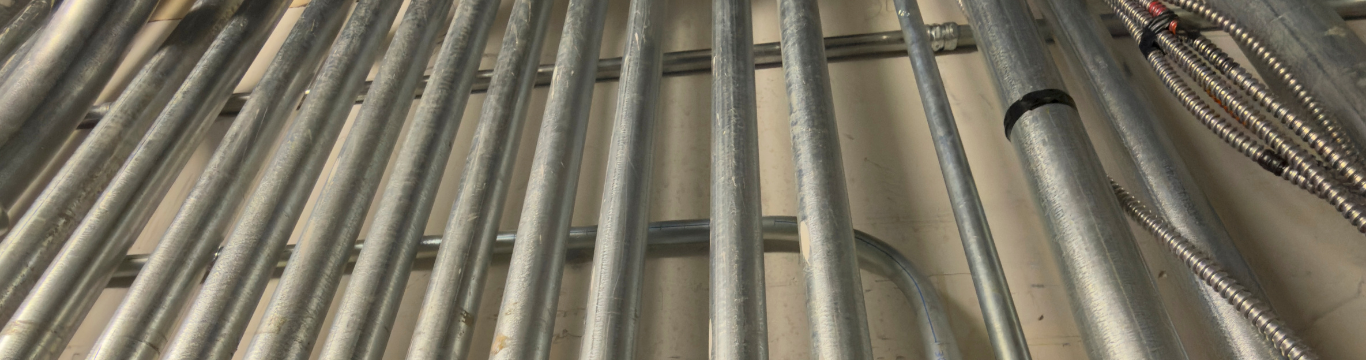
Hose and Piping Installation: What to Know Before Planning a System

Piping installation is an important part of building or upgrading an industrial system, especially when hoses, pumps, valves, spill basins, finishing systems, or safety components need to work together. A strong hose and piping installation should do more than connect point A to point B. It should support the material being moved, the pressure and flow requirements, the surrounding environment, and the way the system will be maintained over time.
At BF Sales, turnkey installation services include custom hose and piping systems, equipment sourcing and installation, safety equipment integration, testing, and post-installation support. That makes planning especially important. The better the system is planned before installation begins, the easier it is to support reliable operation after the system is turned over.
Start With What the System Needs to Move
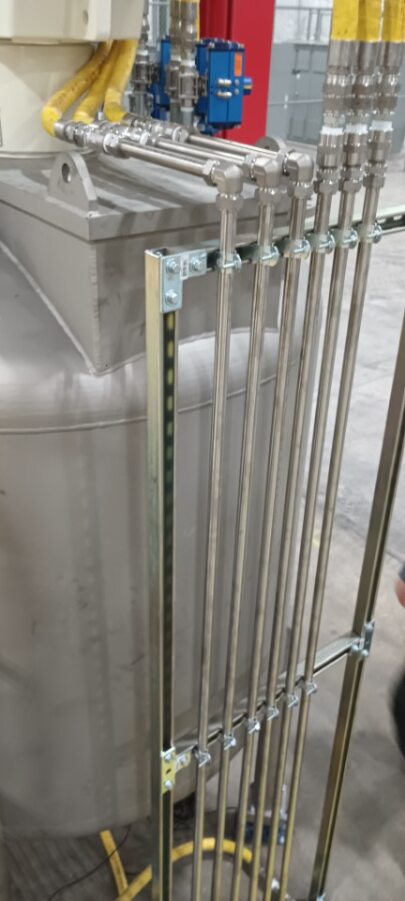
Before a hose and piping installation begins, the application should be clearly understood. Different materials place different demands on the system. Water, coatings, chemicals, oils, air, and other process materials may require different hoses, fittings, pumps, seals, or pipe materials.
Key details to review include:
- The material being transferred
- Flow rate and pressure needs
- Temperature range
- Whether the material is abrasive, sticky, or corrosive
- Where the system starts, ends, and changes direction
These details help determine the right layout and product selection. An installation that works for one material may not be right for another. Planning around the actual use of the system helps reduce leaks, premature wear, pressure loss, and maintenance problems.
Think About Layout, Access, and Safety
A hose and piping installation should be designed around the facility, not forced into it after the fact. Routing matters because long runs, tight bends, poor support, and hard-to-reach connection points can create problems later. A cleaner layout can improve performance and make inspections, repairs, and replacements easier.
Access is another major consideration. Maintenance teams need to reach hoses, fittings, valves, pumps, and other connection points without creating unnecessary disruption. If components are difficult to access, small issues may go unnoticed until they become more expensive problems.
Safety should also be built into the system from the beginning. Our turnkey installation services include safety equipment integration, along with attention to safety protocols. Depending on the application, this may involve spill containment, emergency response equipment, safer access points, or other protective measures that support the facility’s operation.
Why Testing Matters After Installation
A piping installation is not complete just because the parts are in place. Testing helps confirm that the system is ready for use and that each component is working as intended. Our turnkey process includes quality assurance and testing to help verify installed equipment and systems before operation.
Testing may help identify:
- Leaks or weak connection points
- Pressure, flow, or alignment issues
- Components that need adjustment before regular use
Catching these issues early can help reduce downtime and give the facility more confidence in the system. It also helps teams understand how the finished installation should operate under normal conditions.
Support That Goes Beyond Installation
A well-planned hose and piping installation should support daily use, future maintenance, and long-term reliability. As production needs change, systems may need upgrades, modifications, or additional support. We offer continued maintenance, emergency repair support, and system modifications after installation, helping customers keep their systems operating efficiently over time.
For industrial facilities, the right piping installation can improve organization, reliability, and serviceability. At BF Sales, we help customers plan and install custom hose and piping systems that match their application, support safe operation, and fit the demands of real industrial environments. With the right planning and support, facilities can create a system that is easier to maintain today and better prepared for future changes.