
What to Look for When Evaluating Powder Coat Equipment

Choosing the right powder coat equipment is one of the most important decisions a manufacturer or finishing shop can make. Whether you’re setting up a new finishing line or upgrading an existing system, understanding how various components affect quality, efficiency, and long‑term performance will help you make informed decisions. In this article, we’ll explore key factors to consider when evaluating powder coating equipment so you can achieve consistent, durable finishes with minimal frustration.
This is a dry finishing process that involves applying an electrostatically charged powder to a substrate and then curing it with heat to form a solid layer. Its popularity has grown because it produces finishes that are highly durable, aesthetically pleasing, and resistant to wear, corrosion, and weathering—outperforming many traditional liquid paints in industrial applications.
Understand the Core Components of a Powder Coat System
Effective coat equipment relies on a few essential components that directly impact coating quality and system efficiency:
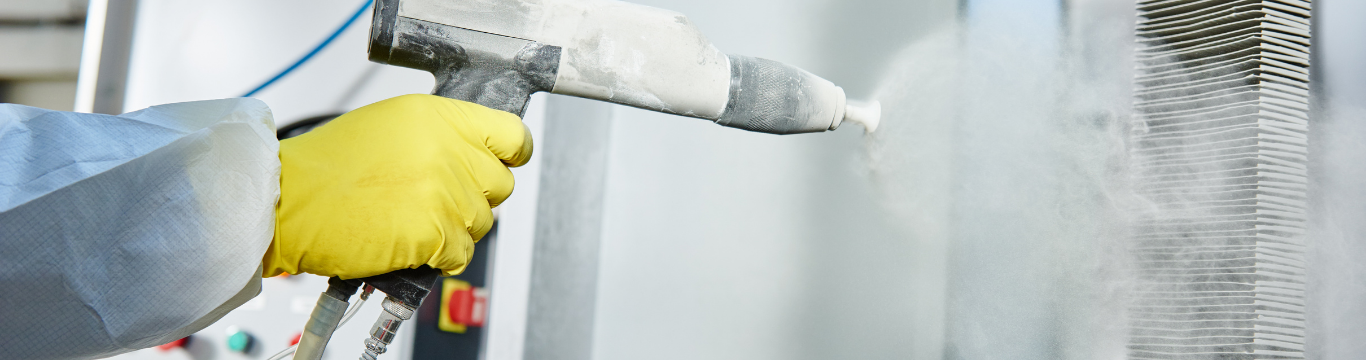
- Spray System: Includes the gun and feed system that apply powder to the surface. The right equipment ensures even coverage and reliable adhesion—even on complex shapes.
- Powder Delivery: Systems like vibratory or pump feeds maintain consistent flow, reduce clogs, and keep operations running smoothly.
- Curing Oven: This is where powder transforms into a durable finish. Precise heat control ensures proper fusion and finish integrity.
- Controls & Interfaces: Regulate key parameters like voltage, airflow, and temperature. Easy-to-use controls improve repeatability and operator performance.
Each of these subsystems works together to determine the overall effectiveness of your powder coat equipment and the final quality of your finishes.
Match Equipment to Your Production Needs
When evaluating setups, one of the first questions to answer is: What volume and type of production will this system support?
For lower‑volume or specialty jobs, smaller booths with manual or semi‑automatic powder guns may be sufficient. For high‑volume operations with large parts or continuous runs, automated systems with conveyors and advanced control are often more efficient and consistent.
Other factors to consider include:
- Part Size & Geometry: Larger or more complex parts might require larger booths, specialized gun configurations, or multi‑angle deposition systems.
- Throughput and Cycle Time: Match your oven capacity and conveyor speed to your planned production rate. Undersized ovens can bottleneck finishing lines even if other components are capable.
- Factory Layout & Ventilation: Proper space planning ensures your booths, ovens, and material handling solutions integrate with your workflow, reducing downtime and improving safety.
Your specific production profile should guide your equipment selection more than generic features or price alone.
Environmental, Safety & Compliance Considerations
Modern powder coating systems offer both performance and environmental advantages over traditional liquid coatings, largely because they don’t rely on solvent carriers and release fewer volatile organic compounds (VOCs).
When evaluating powder coat equipment, consider:
- Booth Ventilation and Filtration: Good ventilation minimizes airborne powder, reduces contamination, and enhances worker safety.
- Overspray Management & Recovery: Systems that collect and reclaim overspray can cut material costs and reduce waste.
- Operator Safety Gear: Ensure your plans include appropriate respiratory protection, grounding to prevent static risks, and fire suppression measures where necessary.
A safe and compliant facility not only protects workers but also improves efficiency and reduces regulatory burden.
Trusted Brands and Long-Term Reliability
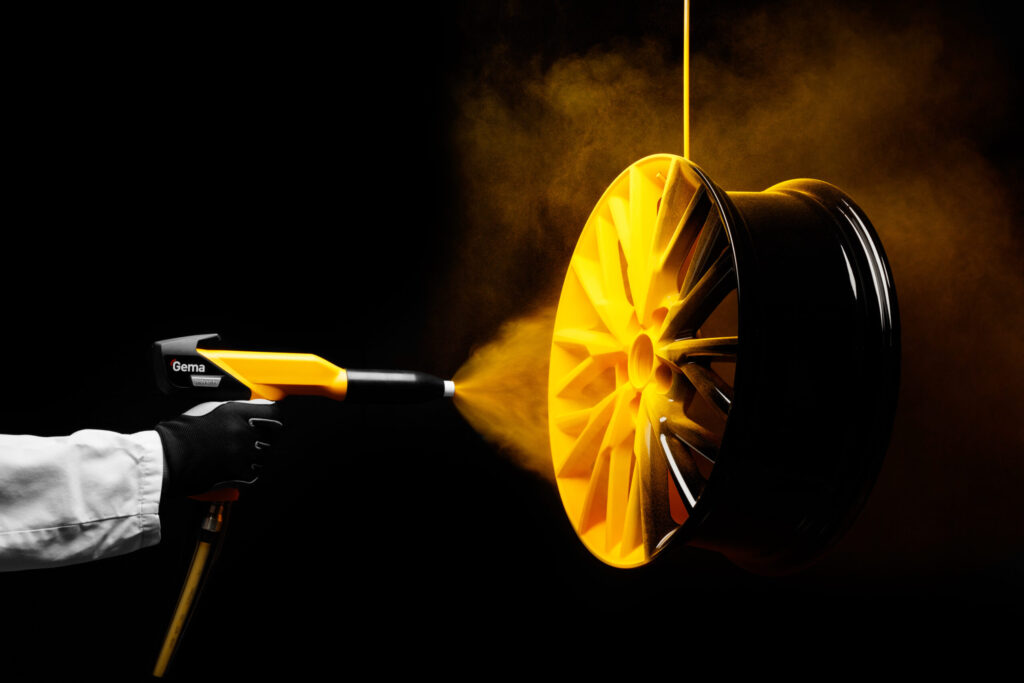
Choosing powder coat equipment isn’t just about the technical specs—it’s also about the manufacturers behind them and the reputation they’ve earned. At BF Sales, we partner with trusted brands like Gema, a global leader in electrostatic powder coating systems. Gema’s equipment is known for its precision, durability, and adaptability, offering solutions for everything from manual spray units to fully automated booths. Their systems are widely used in automotive, manufacturing, and metal fabrication industries where consistent performance is essential.
But equipment performance doesn’t stop with installation. Long-term reliability depends on quality assurance practices like monitoring cure temperatures, checking film thickness, and verifying adhesion strength—especially when following ASTM or industry standards. It also means choosing vendors who offer robust training, responsive support, and easy serviceability.
Choosing the Best Powder Coat Equipment for Your Operation
Selecting the right powder coat equipment isn’t a one‑size‑fits‑all proposition. It involves balancing your production needs, floor space, budget, and quality expectations. By understanding how each component fits into the bigger picture and prioritizing systems that fit your workflow, you’ll be better positioned to achieve consistent, high‑quality results.For specific product options when they become available, you can explore the full range of powder coating equipment at BF Sales — allowing you to match the right tools to your process.