
How Cold Weather Impacts Industrial Fluid Systems—and What You Can Do About It

When temperatures drop, industrial fluid systems face a unique set of challenges that can impact everything from performance to safety. Whether you’re managing pumps, hoses, or hydraulic components, winter conditions introduce variables that demand careful consideration. Cold weather affects viscosity, seal performance, system pressure, and flow efficiency—making proactive planning essential for uptime and longevity.
At BF Sales, we understand the nuances of how temperature extremes interact with critical fluid systems. Whether you’re running processing lines, chemical delivery systems, or hydraulic applications, preparing your infrastructure for the cold can save you time, money, and headaches throughout the season.
The Science Behind Temperature and Viscosity
One of the most immediate effects of cold weather on industrial fluid systems is a change in viscosity. As temperatures drop, fluids become thicker, which increases resistance within pumps, hoses, and valves. This can strain motors, slow down operations, and even lead to cavitation if flow rates drop below spec.
For hydraulic systems in particular, low temperatures can delay startup or cause sluggish responses in actuators and cylinders. Selecting fluids with appropriate cold-temperature performance—such as low-viscosity or winter-grade hydraulic oils—is critical. Don’t wait until you’re troubleshooting a lagging system in subzero temperatures to make the switch.
Cold Weather and Sealing Materials
Elastomeric seals, gaskets, and O-rings used in industrial fluid systems can become brittle in cold environments, especially if they are not rated for low-temperature use. Over time, repeated exposure to freeze-thaw cycles can degrade materials and lead to leaks, cracks, or full seal failure.
To avoid these issues, BF Sales recommends selecting seals and hose materials with appropriate temperature ratings for your region. In especially harsh climates, switching to fluoroelastomer or PTFE-based sealing materials may help ensure system integrity during cold snaps.
Practical Steps for Cold Weather System Readiness
A few simple adjustments can go a long way in preparing your industrial fluid systems for winter. Here’s where to start:
- Insulate exposed components: Use heat tape or insulation blankets on valves, hoses, and pumps to minimize heat loss.
- Store hoses properly: Flexible hoses should be drained and stored off the ground when not in use to prevent cracking and internal freezing.
- Monitor pressure regularly: Cold fluid thickens, which can spike pressure in closed-loop systems. Installing pressure relief valves or monitoring devices can prevent ruptures.
- Choose the right lubricants: Look for ISO or NLGI-rated lubricants specifically designed for low temperatures.
Preventative maintenance doesn’t have to be complicated—but it does need to be consistent. BF Sales supports industrial customers with the products and expertise to weather seasonal extremes with confidence.
System Startups: A Vulnerable Moment
Cold starts are one of the most stressful moments for industrial fluid systems. If fluid has thickened or components have contracted, pressure surges can lead to system damage, especially in pump-driven or metering setups. That’s why startup procedures matter.
Allow systems time to warm up gradually if possible, and ensure all sensors, gauges, and controllers are functioning before putting the system under full load. At BF Sales, our team offers guidance on best practices for winter startups and preventative maintenance.
Long-Term Planning for Harsh Environments
If your facility routinely operates in low temperatures, consider a broader system evaluation. This could include:
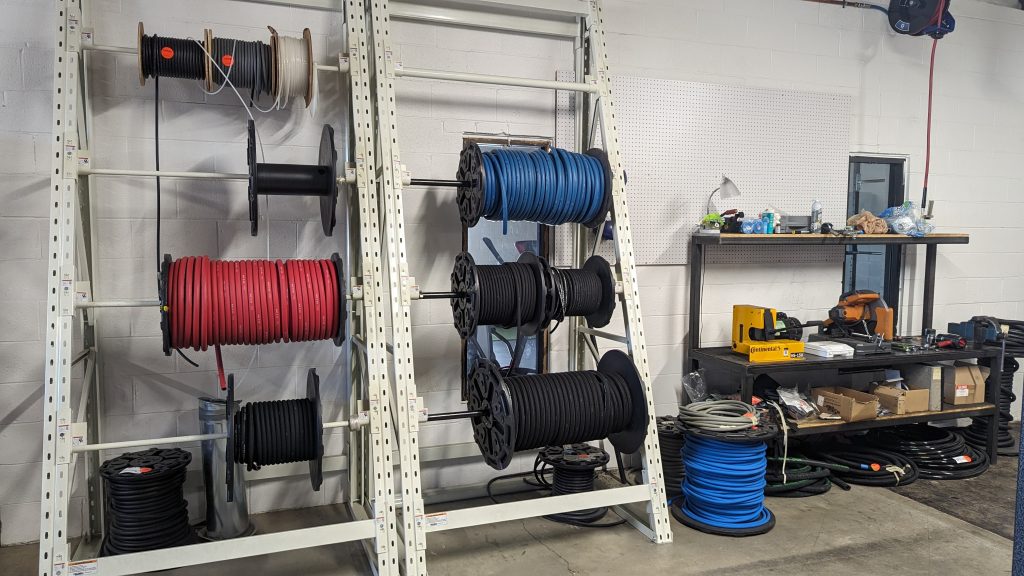
- Upgrading hose materials for cold flexibility
- Incorporating heated enclosures for sensitive components
- Designing fluid pathways with freeze prevention in mind
- Selecting cold-rated filters and strainers
BF Sales can assist with product selection and layout planning to optimize flow and protect your assets year-round. From material handling to chemical delivery, we provide industrial fluid systems that are built to perform—even in the toughest winter environments.
Winter Doesn’t Wait—And Neither Should You
The impact of winter weather on industrial fluid systems can be subtle at first but lead to significant downtime and damage if left unaddressed. By understanding how cold affects fluid dynamics, seals, and startup routines—and by preparing accordingly—you protect both your people and your processes.Need help evaluating your system for the cold? BF Sales is here to help. Contact our team to learn more about winter maintenance, fluid selection, and cold-weather system design.